News
This is where you will find a variety of content from all categories.
For Jill’s Pins, TV Appearances and Book Events, please visit the following pages:
Most Recent Posts (All Categories)
Joyce Vance hosts #SistersInLaw to discuss the recent developments in the fraud case against the SPLC by doing a deep dive into the background of the organization, explaining the charges against it, and highlighting the political motivations for the charges. Then, the #Sisters expose the issues with Trump’s relase of Truth API, explore possible 1st Amendment challenges, and the ethical dillemas involved. They also review the DOJ’s dismissal of its case against Harvard University regarding allegations of anti-semitism, the applicable legal framework, and the political machinations involved.
Barb McQuade and Jill Wine-Banks answer listener questions on everything from the standards for overturning judicial precedent to the relationship between standing and venue. They discuss the four factors courts should weigh before discarding stare decisis, the two E. Jean Carroll judgments against Trump still on appeal, practical ways media consumers can spot AI fakes, greater-than-life sentences, fugitives who flee to non-extradition countries, and the difference between standing and venue.
Jill Wine-Banks hosts #SistersInLaw to discuss Jeanine Pirro’s dismissal of the reflecting pool case against David Hearn and the dangers of prosecutorial misconduct. Then, the #Sisters explain the larger impact of the Justice Department’s motion to vacate convictions related to the J6 insurrection, focusing on the cases of Stuart Rhodes and the Oath Keepers, and calling for accountability for those who attempt to subvert our system of government and the rule of law. They also review Trump’s recent executive orders on birthright citizenship and immigration, explain what they mean in light of the SCOTUS decision in Trump v. Barbara, and explore the potential for legal challenges.
Barb McQuade and Jill Wine-Banks answer listener questions on everything from completing a FOIA request to Trump’s trademark on MAGA. They discuss how long FOIA responses can take and the option to sue, First Amendment limits on trademarking political slogans like “Make America Great,” the constitutional ban on foreign emoluments and the Qatar plane gift, why jointly impeaching and convicting Trump and Vance is impractical due to succession rules, the release of Fauci’s government-computer notes and his repeated Fifth Amendment invocations, and the lack of any constitutional requirements to serve as a federal judge.
Barb McQuade hosts #SistersInLaw to discuss the recent legal developments surrounding the indictment of James Comey, his attempt to dismiss is, the definition of true threats, and the difference between selective and vindictive prosecution. Then, the #Sisters examine the botched confirmation of Todd Blanche’s appointment to Attorney General, Trump’s influence on the proceedings, and the challenges he would face in the role. They also review Trump’s executive order eeking to limit mail-in voting, the legal challenges it faces, and MAGA’s broader war on election integrity.
Barb McQuade and Kimberly Atkins Stohr answer listener questions on everything from privacy protections to Latin legal terms. They discuss the EU’s GDPR as a model for treating personal data as belonging to individuals, whether media outlets face liability for declining to air presidential speeches live, how to respond when people treat “socialism” as a curse word, why Trump’s impeachments cannot be nullified or expunged, the difference between lies, misinformation, and disinformation, and their favorite Latin legal phrases, like res ipsa loquitur and quantum meruit.
Kimberly Atkins Stohr hosts #SistersInLaw to discuss the NYT’s victory over the DOJ’s attempt to subpoena its reporters to testify about their national security reporting and the effects government actions can have on press freedom and democracy. Then, the #Sisters review the legal allegations Jim Jordan has levied against Jack Smith, the political motivations involved, and the role of the Speech or Debate Clause. They also explore the legal battle over the proposed merger between Paramount and Warner Bros., why state attorneys general are challenging it, and its implications for the entertainment industry and consumers.
In this episode of #SistersInLaw Sidebar, Barb McQuade and Jill Wine-Banks answer listener questions on everything from the Emoluments Clause to restoring trust in the rule of law. They discuss whether the Qatari plane gift violates the Emoluments Clause and how Congress could enforce it, the filibuster’s role in enabling more extreme judicial nominees, concerns about raids on groups like the League of Women Voters after concerning rhetoric from the Trump administration, balancing belief in survivors with due process, key differences between civil and criminal contempt, and what it will take to restore people’s faith in the DOJ.
Joyce Vance hosts #SistersInLaw to discuss Todd Blanche’s confirmation hearing to become the acting Attorney General, Judge Williams’ opinion on Trump’s lawsuit against the IRS, and the role Senate hearings play in trust and transparency. Then, the #Sisters review the recent violent incidents involving ICE agents, reflect on the danger the administration’s approach poses to public safety, and call for proper training and accountability. They also dissect Trump’s speech on election integrity, analyze it in the context of misinformation and disinformation, and examine the impact of false narratives on future elections.
In this episode of Sisters Sidebar, Barb McQuade and Joyce Vance answer listener questions on everything from how Democrats should wield executive power to a social media ban for minors, and more. They discuss John Brennan’s ability to protect himself from the Trump administration by proactively filing lawsuits, whether a case can be appealed multiple times, what they think of a social media ban for minors, the ability of Congress to create and dissolve independent commissions, how a Democrat president should govern after the SCOTUS rulings strengthening the executive branch, and the value of being an extrovert in the legal field.
Jill Wine-Banks hosts #SistersInLaw to criticize Blanche for undermining DOJ independence, acting as Trump’s personal lawyer, and purging career officials who worked on Trump or J6 cases. Then, the #Sisters analyze the deadly ICE shooting of longtime Houston resident Lorenzo Salgado Arajo, contrasting official claims with video and witness evidence, and discuss use-of-force violations and due process failures. They also expose the administration’s efforts to intimidate election officials, send monitors, issue criminal warnings, and fire members of the Election Assistance Commission to undermine trust in the midterms.
In this episode of Sisters Sidebar, Barb McQuade and Jill Wine-Banks answer listener questions on moving immigration courts to the judicial branch, how to call a constitutional convention, and more. They explain why immigration judges should be independent from the DOJ, discuss the legal effect of pardons on guilt and restitution, push back against attempts to downplay Watergate and rehabilitate Richard Nixon, clarify how a constitutional convention would work under Article V, and strongly advocate for more cameras in courtrooms to increase public trust in the judicial branch.
Barb McQuade hosts #SistersInLaw to discuss the recent Supreme Court rulings and how they affect our lives. They review the implications of the decisions on birthright citizenship, the president’s control over independent agencies, voting rights, transgender participation in sports, and campaign finance. During it, they analyze the court’s performance, expose its connection to Trump and the MAGA agenda, and call for more protections for the rights of all individuals. They also delve into how the court makes decisions, expose its inconsistencies, and lay out the trends it seems to be following as it heads into the upcoming term.
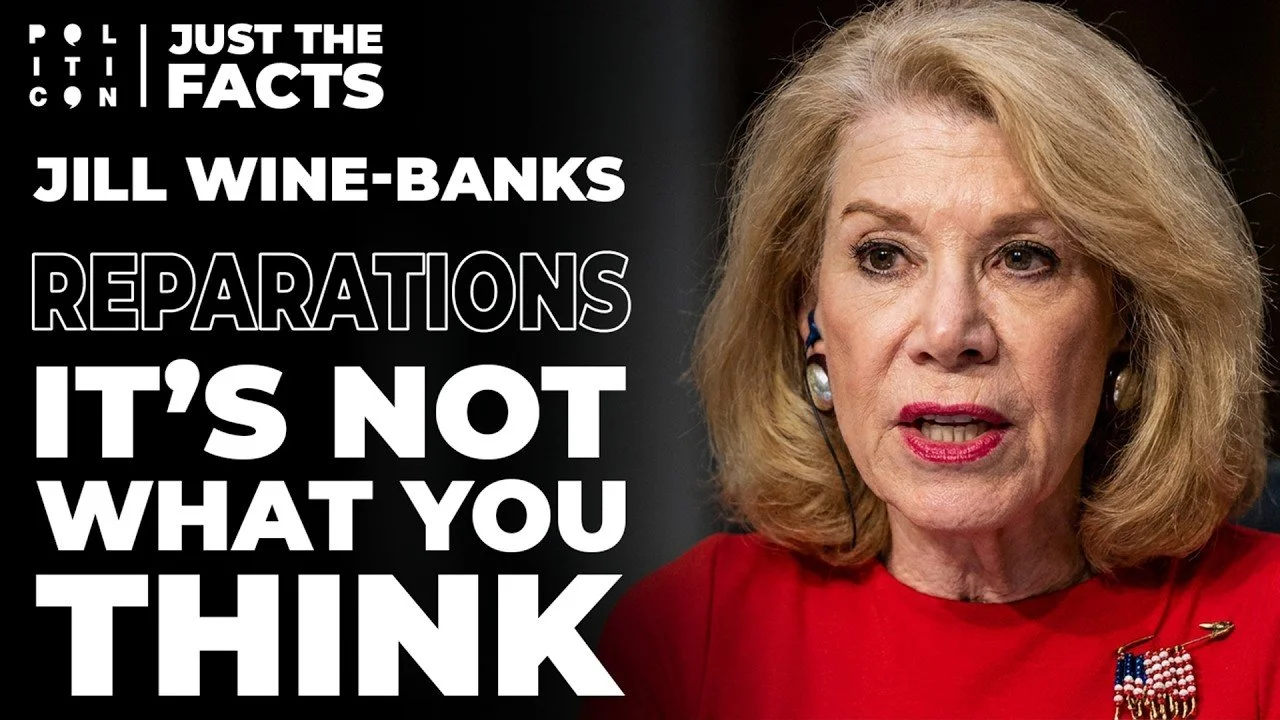
Reparations and the Fight Against Historical Discrimination — An Interview with Evanston Mayor Daniel Biss
In this episode of Sisters Sidebar, Kimberly Atkins Stohr and Joyce Vance answer listener questions on de facto versus de jure, navigating a legal career path, jurisdiction over Trump’s arch, and more. They explain why Virginia has no jurisdiction to stop Trump’s arch, detail the procedural twists in his Florida IRS case, offer advice on avoiding conflicts of interest from political involvement, strongly endorse public tax disclosures for transparency, give legal examples of de facto versus de jure issues using voting rights scenarios, and reflect on mentorship, pro bono work, and finding a rewarding path in public service.
Kimberly Atkins Stohr hosts #SistersInLaw to discuss new developments regarding the Epstein Files Transparency Act following a lawsuit by Katie Phang and the future of the case as it heads to appeal. Then, the #Sisters review Justice Alito’s recent authorship of immigration rulings affecting TPS and asylum seekers, as well as the dissents by Justices Kagan and Sotomayor. They also explain the power of dissents against impactful majority decisions, how they can be used as a tool for future change, and the constitutional implications of federal overreach in the states.
In this episode of Sisters Sidebar, Jill Wine-Banks and Joyce Vance answer listener questions on the Trump-IRS lawsuit settlement, the War Powers Resolution, posthumous prosecutions, and more. They discuss whether Trump’s non-adversarial IRS suit can produce a valid broad tax forgiveness deal for him and his family, congressional checks on potential military action in Iran, Katie Phang’s lawsuit against Todd Blanche, how to safely renew your passport, why the dead cannot be prosecuted, and the process of how the vice president is sworn in after a president resigns or dies.
In this episode of Sisters Sidebar, Joyce Vance and Jill Wine-Banks answer your questions on Trump’s controversial slush fund, crimes committed in prison, and more. They discuss why the president cannot legally use taxpayer money as a personal slush fund, ongoing lawsuits challenging the fund, creative ways Congress and citizens might push back, the best internships for aspiring law students, when the hosts first knew they wanted to become lawyers, how crimes in federal prisons are prosecuted compared to the outside world, and whether Trump could receive an automatic self-pardon for potential insider trading.
Joyce Vance hosts #SistersInLaw to discuss Kash Patel’s premature announcements of arrests in a possible terror plot that could compromise the investigation and an alleged slush fund for FBI agents. Then, the #Sisters discuss the need for congressional oversight of law enforcement following the FBI’s search of the Ohio Organizing Collective in a move that could jeopardize voting rights and registration efforts. They also review Hemani v United States, looking at the facts of the case, the intersection of the 2nd Amendment and drug use, and the court’s tendency towards decisions favoring gun rights.
In this episode of Sisters Sidebar, Jill Wine-Banks and Kimberly Atkins Stohr answer listener questions on presidential appointments, Trump’s use of the DOJ against political enemies, online threats, and more. They discuss whether a president’s former personal attorney can serve as Attorney General, the constitution and what citizens can do to strengthen democracy on the country’s 250th birthday, whether national monuments can be renamed or repurposed, if a future DOJ can overturn Trump’s “in perpetuity” tax agreement, how online threats become legally actionable, the ability of Trump’s doctor to invoke the 25th Amendment, and why the DOJ is pursuing cases against Trump’s perceived enemies rather than his personal lawyers.
In this episode of Sisters Sidebar, Joyce Vance and Jill Wine-Banks answer your questions on Trump’s controversial slush fund, crimes committed in prison, and more. They discuss why the president cannot legally use taxpayer money as a personal slush fund, ongoing lawsuits challenging the fund, creative ways Congress and citizens might push back, the best internships for aspiring law students, when the hosts first knew they wanted to become lawyers, how crimes in federal prisons are prosecuted compared to the outside world, and whether Trump could receive an automatic self-pardon for potential insider trading.
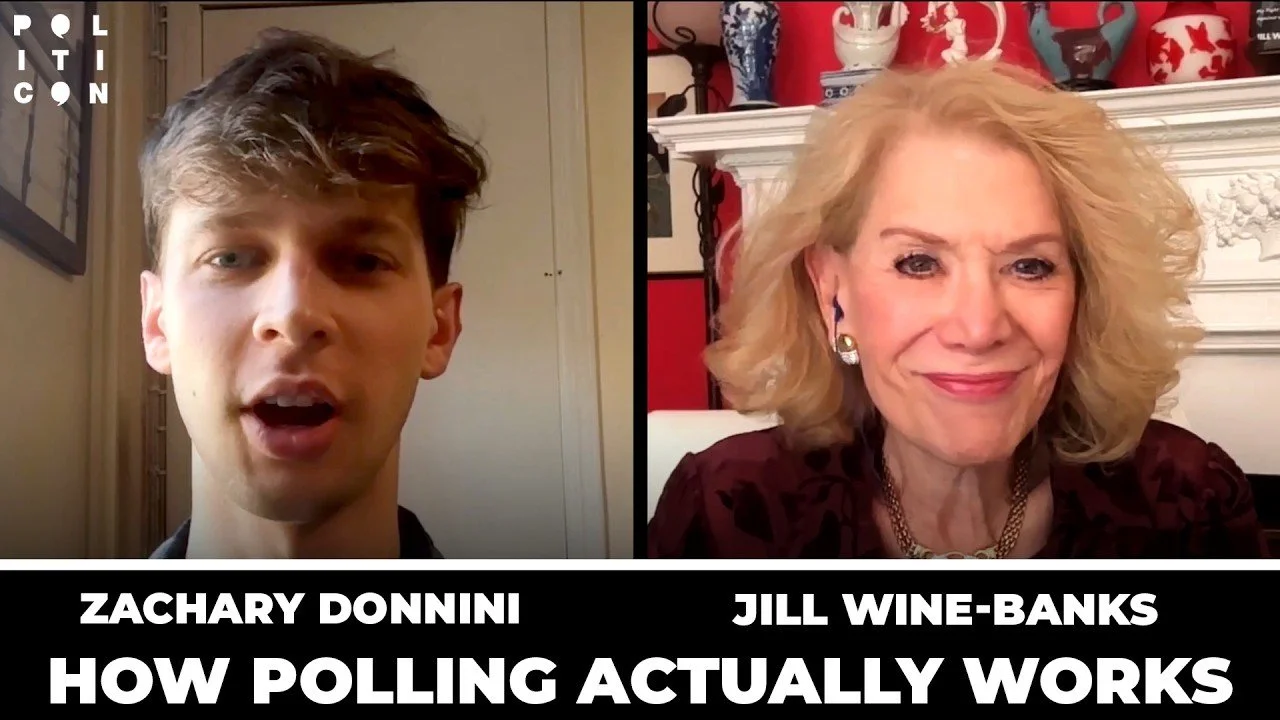
Jill Wine-Banks hosts Zachary Donnini, an expert in election data collection, analysis, and prediction. They explore the intricacies of polling methodology, bias, and the impact of predictions on voter behavior, especially during election cycles.

Jill Wine-Banks hosts #SistersInLaw to discuss the latest developments concerning the slush fund for J6 defendants and others, covering court rulings by Judges Leon and Brinkema that halted it and skepticism about the administration’s claims that it was dead. Then, they examine Ken Paxton’s retaliatory lawsuit against the Democratic fundraising platform ActBlue and the partisan congressional hearing that sought to question its CEO. They also analyze Trump’s push to have Congress pass a resolution expunging his two impeachments from the record, explaining why his plan won’t work and how it weakens existing avenues for government accountability.
In this episode of Sisters Sidebar, Barb McQuade and Joyce Vance answer listener questions on prosecutor ethics, protest rights, trademark law, and more. They discuss whether state bars can discipline federal prosecutors who follow Trump over the rule of law, the difference between protected peaceful protest and actions that can lead to arrest, whether Patagonia has a strong trademark infringement case against drag performer Pattie Gonia, if Todd Blanche could face disbarment for unethical conduct after leaving the Trump administration, whether the Attorney General is legally required to be a lawyer, and classic legal fiction books.
In this episode of Sisters Sidebar, Joyce Vance and Jill Wine-Banks answer your questions on Trump’s controversial slush fund, crimes committed in prison, and more. They discuss why the president cannot legally use taxpayer money as a personal slush fund, ongoing lawsuits challenging the fund, creative ways Congress and citizens might push back, the best internships for aspiring law students, when the hosts first knew they wanted to become lawyers, how crimes in federal prisons are prosecuted compared to the outside world, and whether Trump could receive an automatic self-pardon for potential insider trading.
The Nixon Foundation’s new social media strategy leans on stylish editing and hip-hop soundtracking to present the Watergate president as a suave operator misunderstood by history. Plenty of young commenters are buying it.
Joyce Vance hosts #SistersInLaw to discuss John Bolton’s plea deal, compare it to the Petraeus case, explore its Biden-era origins, and contrast Bolton’s cooperation with Trump’s obstruction. Then, the #Sisters dissect Trump’s controversial cabinet picks, particularly the unqualified loyalist Bill Pulte as acting DNI and Todd Blanche for AG, despite his handling of the Epstein files, the slush fund, and other red flags in his confirmation. They also analyze the SCOTUS shadow docket reversal in Alabama’s Milligan case and the Calais ruling, warning of an open season on racial and political gerrymandering nationwide.
This episode was recorded prior to the news that the Trump Administration has suggested that it will follow court order and not use the Anti-Weaponization slush fund it created. We note that DOJ has not canceled the immunity it granted Trump from investigations and payment of past taxes that might be owed and has not said they will not find and fund an alternative method to pay those convicted of Jan6 crimes. Legal challenges remain ongoing and remain necessary.
In this episode of Sisters Sidebar, Joyce Vance and Jill Wine-Banks answer your questions on Trump’s controversial slush fund, crimes committed in prison, and more. They discuss why the president cannot legally use taxpayer money as a personal slush fund, ongoing lawsuits challenging the fund, creative ways Congress and citizens might push back, the best internships for aspiring law students, when the hosts first knew they wanted to become lawyers, how crimes in federal prisons are prosecuted compared to the outside world, and whether Trump could receive an automatic self-pardon for potential insider trading.
Kimberly Atkins Stohr hosts #SistersInLaw to discuss the Trump administration's revenge prosecution of E. Jean Carroll, examining the motivations behind the investigation, the allegations against her, and the role of financial backers in her civil suit against the President. Then, they expose the DOJ's prosecutorial misconduct in the Broadview Six case, review the vindictive prosecution of Kilmar Abrego Garcia, and highlight the dangers of politicizing DOJ appointments. They also explain the recent SCOTUS decision overturning the murder conviction of Terry Pitchford due to racial discrimination in the jury selection process, and the implications of Justice Kavanaugh’s opinion on future cases.
The Watergate Girl
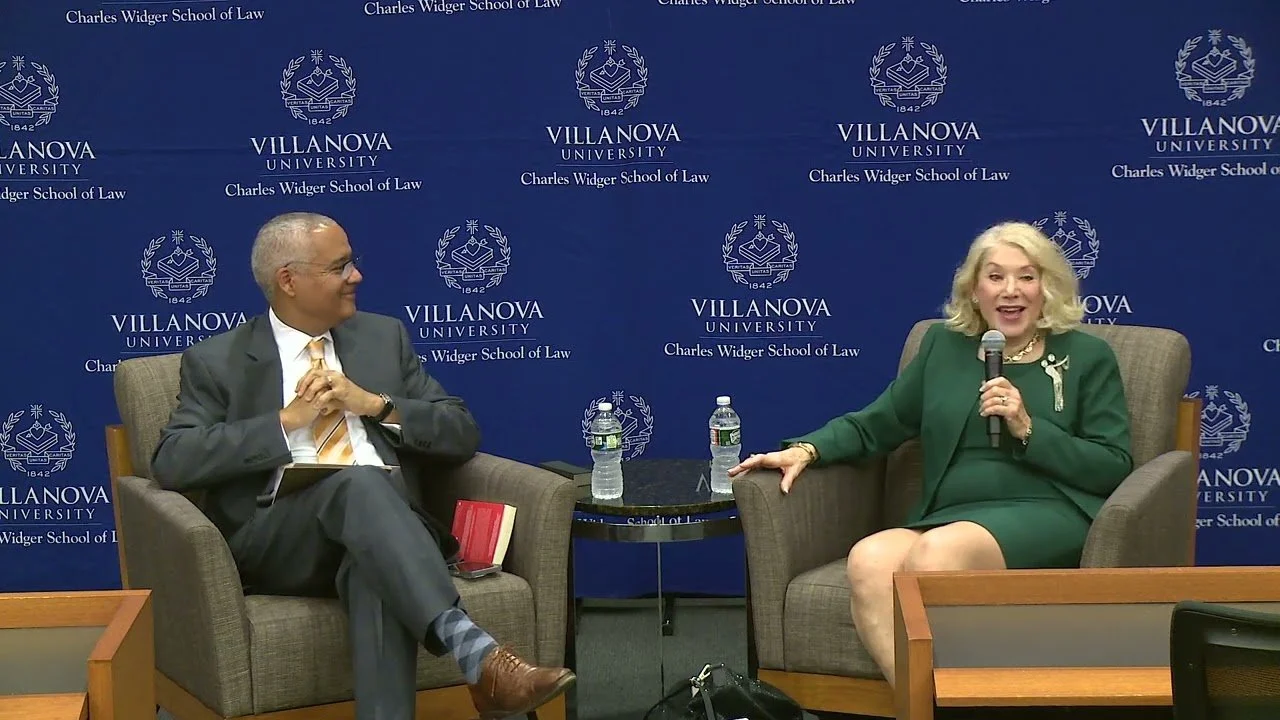
The Girard-diCarlo Center hosts the 2023 Lewis H. Gold ’62 Lecture on Ethics and Professional Responsibility. Jill Wine-Banks, author of The Watergate Girl: My Fight for Truth and Justice Against a Criminal President, will talk with Dean Mark C. Alexander about her book and experience as the only woman on the Watergate prosecution team.

November 5, 2021, a virtual panel book talk with Attorney Jill Wine-Banks, legal analysis on MSNBC. She is known as the woman on the Watergate Case. This political case caused the U.S. President, Richard M. Nixon to resign.

Debbie Cenziper & Jill Wine-Banks will speak on their new books Citizen 865: The Hunt for Hitlerʼs Hidden Soldiers in America and The Watergate Girl: My Fight for Truth and Justice Against a Criminal President to conclude the Commonpoint Queens Spring 2021 Virtual Speaker Series May 24 and June 7.

Jill Wine-Banks, author of “The Watergate Girl,” was featured as a Levy Lecture speaker on April 20 as she spoke via Zoom to a group of nearly 400 people, mostly seniors 55+ in the Evanston environs. The candid conversation spanned nearly two hours, as she provided an overview of the Watergate scandal, her perspective on the recent and current political environment, and some heart-stopping observations about the Chauvin trial.

Jill Wine-Banks, author and MSNBC Legal Analyst is joined by Chicago business leader Christie Hefner to discuss The Watergate Girl: My Fight for Truth and Justice Against a Criminal President.


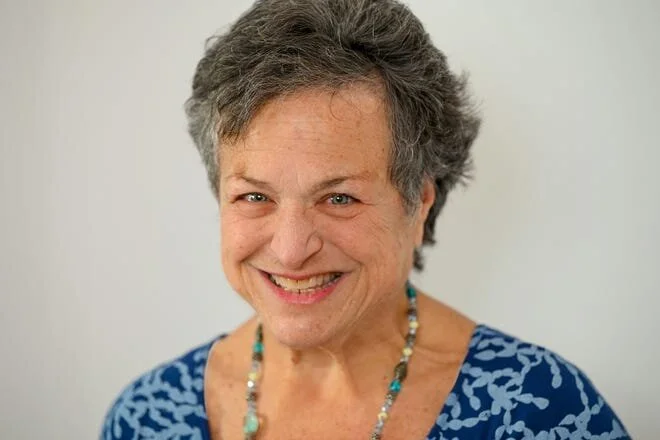
Anybody who lived through Watergate remembers the young attorney: Jill Wine-Banks (then Wine Volner). She was the sole female prosecutor on the federal government’s Watergate trial team.
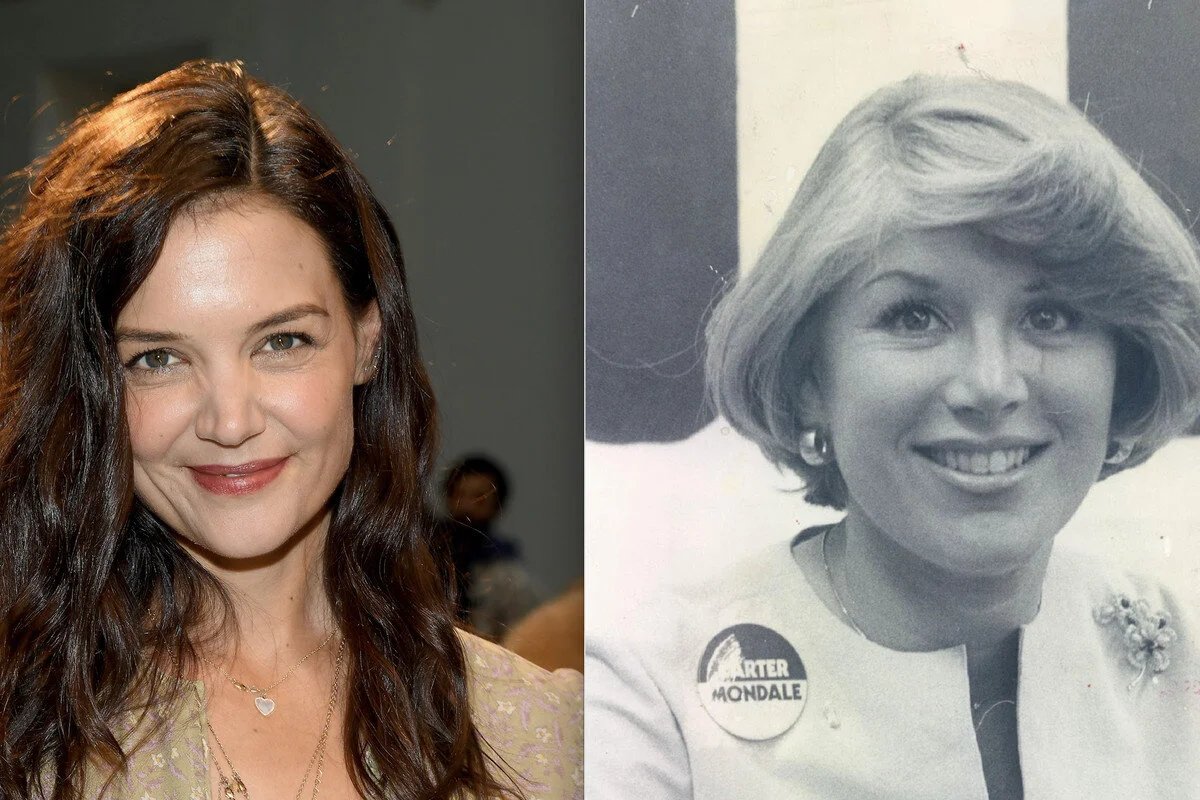

EXCLUSIVE: Katie Holmes, through her Noelle Productions banner, has optioned The Watergate Girl: My Fight For Truth and Justice Against A Criminal President, the best-selling autobiography by former Watergate prosecutor Jill Wine-Banks. Holmes will star and produce the project, which is planned as a feature adaptation.

To celebrate Women’s History Month, join us for a conversation with Jill Wine-Banks, an MSNBC legal analyst, speaker, and author. Together with Venable partner Courtney Sullivan, Jill will explore her new book, The Watergate Girl, which details her experiences as the only woman on the team that prosecuted the highest-ranking White House officials involved in the Watergate scandal. Dubbed the “mini-skirted lawyer,” Jill will also discuss beginning her career as the first woman to serve as an organized crime prosecutor at the U.S. Department of Justice and will offer a glimpse of some of the challenges and absurdities she endured as a young working woman.

Former Watergate prosecutor Jill Wine-Banks joins Zev Shalev and @LincolnsBible to talk about her new book 'The Watergate Girl,' and what it's like to take on presidents and mobsters.

MSNBC legal analyst and Watergate prosecutor Jill Wine-Banks discusses her new book, The Watergate Girl.




Op Ed

It was a heady experience to be part of an extraordinary group working to uncover facts and secure justice.

Hunter Biden was targeted by Trump’s allies. The president should now protect others from political prosecutions, too.

If former President Trump gets a second term, he and his administration will feel safe in acting with abandon.
It would be wise for Biden and his team to rethink the structure, dissemination channels and follow-up of this year’s speech.

Abbott either doesn’t understand the Constitution, or doesn’t want to. Both options are worrying.

I write to supplement Victor Shi’s op-ed “A Gen Zer’s advice to Biden as he gears up for reelection bid” (Nov. 20) with a baby boomer perspective.


The committee says it has the goods — and I believe them. But that doesn’t mean that it will ultimately succeed.

As Watergate prosecutors, we sent evidence to the House. McConnell sent a message from the Senate to prosecutors about damning evidence against Trump.

I disagree with Tony Messenger’s column “St. Louis attorney has early advice for new president: Remember Watergate era” (Jan. 22). I was an assistant Watergate special prosecutor for the obstruction trial of President Richard Nixon’s top aides in which he was named a co-conspirator. We were prevented from indicting Nixon when President Gerald Ford pardoned him, so I understand the impact of issuing a pardon and moving on.

The sentencing of Michael Flynn, President Trump's former national security adviser, for lying to the FBI about his calls with the Russian ambassador should have been straightforward.

We believe that justice requires a more nuanced approach than we are seeing in the current debate.

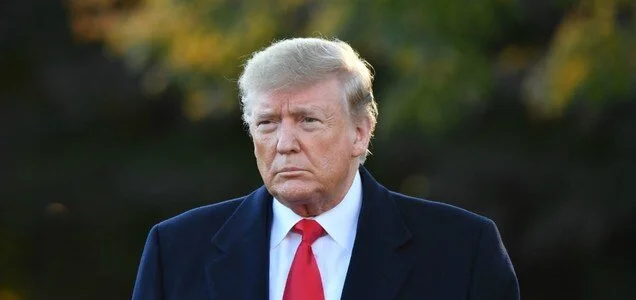
Former assistant Watergate special prosecutor Jill Wine-Banks believes President Trump's actions are "far worse" than those of former President Nixon, she wrote in a Chicago Tribune letter to the editor.

Tuesday’s editorial (“Trump’s fate: The case for censure over impeachment,” Nov. 26) admits President Donald Trump’s "clear abuse of power,” but nonetheless concludes that censure, not impeachment, is the proper remedy. To this I say, if Trump’s conduct is not grounds for using impeachment, what would be?

This OpEd is right on. Chicago City Council should stop acting like citizen input is something to be endured and allow more than 30 minutes for public comment per month. Democracy demands that government let the people speak.

Finally, the wait is over for the Russiagate facts. Or is it? First, there was the four-page summary of the Mueller report by Attorney General William Barr. Then there was Barr's news conference telling us what the report said just hours before we got the redacted report and saw that Barr had misrepresented what Mueller wrote.

Blumenthal's piece changes the balance to favor Congress acting now. His data decimate the major impediment to holding Trump accountable - the fear that this president would be strengthened by a House vote for impeachment with no conviction by the Senate.

Philip Allen Lacovara and Laurence H. Tribe's April 9 Tuesday Opinion essay, " Want the full Mueller report? Open impeachment hearings.," claimed that no exception to Rule 6(e) allows release of grand jury material to the House Judiciary Committee as long as the House speaker disapproves inquiry into President Trump's possible impeachment.


It seems the Mueller report is going to come like a thief in the night. No one knows for sure when it will come or how much of it will be made public or given to Congress.

The evidence mounts daily from the special counsel investigation into Russian interference and collusion during the 2016 election.

There are many questions about the dramatic search of the law office of President Donald Trump’s personal attorney, Michael Cohen, his Trump Tower residence and the hotel room where he currently lives while his home is being renovated.

During Watergate, as assistant Watergate special prosecutors, we thought a lot about why the public and Congress needed to know what we knew about President Richard Nixon. We found ways to reveal the facts back then that special counsel Robert Mueller can use now along with some additional ones available to him under new rules.
Interviews
The Nixon Foundation’s new social media strategy leans on stylish editing and hip-hop soundtracking to present the Watergate president as a suave operator misunderstood by history. Plenty of young commenters are buying it.

The Watergate prosecutor and TV pundit, 81, on presidential cases, sexism, and condo boards.
The Girard-diCarlo Center hosts the 2023 Lewis H. Gold ’62 Lecture on Ethics and Professional Responsibility. Jill Wine-Banks, author of The Watergate Girl: My Fight for Truth and Justice Against a Criminal President, will talk with Dean Mark C. Alexander about her book and experience as the only woman on the Watergate prosecution team.

The intrepid Judith Newman asks them everything you’ve wondered -- about Kellyanne, about those threats they’ve received, and yes, even their on-camera outfits.


Just The Facts
Reparations and the Fight Against Historical Discrimination — An Interview with Evanston Mayor Daniel Biss
Jill Wine-Banks hosts Zachary Donnini, an expert in election data collection, analysis, and prediction. They explore the intricacies of polling methodology, bias, and the impact of predictions on voter behavior, especially during election cycles.
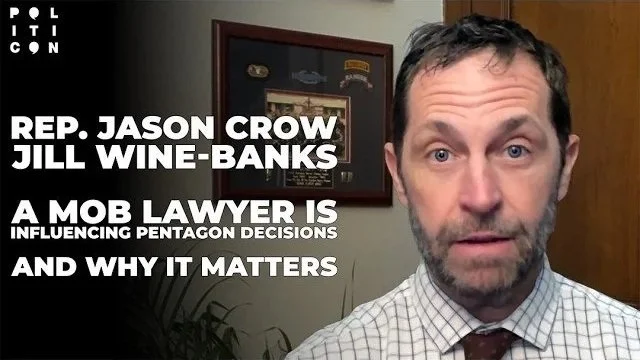
Jill Wine-Banks explores insights from a recent congressional hearing featuring member of Congress Jason Crow discussing military leadership, government accountability, and national security issues. They delve into the complexities of defense oversight, military standards, and recent political battles affecting the Pentagon.
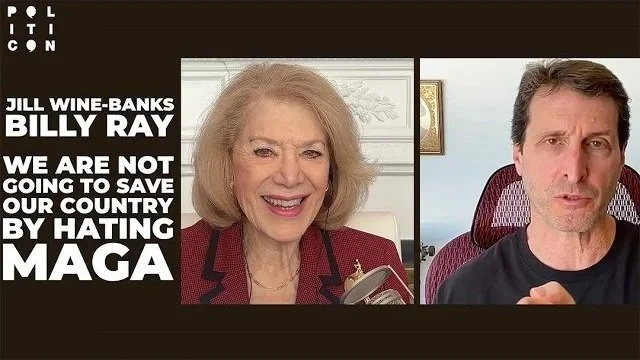
Jill Wine-Banks sits down with acclaimed screenwriter Billy Ray (The Hunger Games, Captain Phillips, Richard Jewell) for a wide-ranging conversation about his move from Hollywood to YA fiction, the environmental themes in his new novel Burn the Water, and why storytelling matters in politics and society.
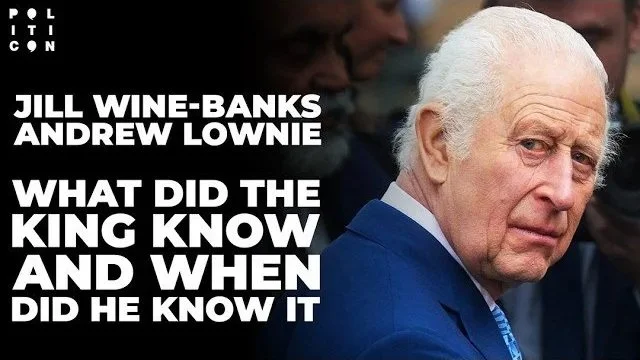
Jill Wine-Banks is joined by royal author Andrew Lownie to discus the ongoing scandal surrounding the British royal family, particularly focusing on King Charles and Prince Andrew. Lownie reveals that King Charles was warned about Andrew's misconduct and the implications of the Epstein scandal. He explores the potential for King Charles to abdicate due to public pressure and the legal ramifications of Andrew's actions, including the destruction of evidence and the serious charges he may face. The conversation also touches on the mysterious circumstances surrounding Jeffrey Epstein's death and the broader implications for the monarchy.
Jill Wine-Banks and Rachel Van Landingham discuss the legal implications of Secretary Hegseth's actions against Senator Kelly, focusing on military law, the treatment of retirees, and the ethical considerations surrounding military conduct. They explore the boundaries of lawful orders, the concept of perfidy in warfare, and the broader implications of military actions in non-international conflicts. The conversation highlights the tension between military authority and legal rights, emphasizing the need for accountability and adherence to the rule of law.
Jill WIne-Banks & Victor Shi discuss the significant events of 2025, the evolving landscape of communication across generations, and the challenges faced in politics and media. They explore the impact of climate change, immigration issues, and the role of messaging in engaging younger voters. The discussion also touches on the importance of addressing policies that resonate with the electorate and the need for a robust political strategy moving into 2026.
Jill Wine-Banks & Susan Berger cover a range of topics including the controversy around countdowns, challenges in journalism, impact on women in the military, and hope for change in the future. It also delves into the freedom of the press, the Department of Defense, and the Department of Justice, highlighting the critical issues within these areas.

Jill Wine-Banks speaks with Alice Peterson, president of Kentucky Heritage Hemp, about the complexities of the hemp industry, including its uses, the importance of regulation, and consumer safety. They discuss the potential dangers of unregulated products, the need for clarity in legislation, and the benefits of hemp for wellness. The conversation highlights the challenges faced by the industry and the importance of consumer awareness in navigating the market.
Jill Wine-Banks speaks with Dr. Kamiya Pekka about trauma, healing, and the unique program at Ruth's Place designed to support survivors of sexual assault. They discuss the importance of community, the phases of healing, and the impact of sexual trauma on survivors. Dr. Pekka emphasizes the need for empowerment, the role of public disclosure in healing, and the ongoing support required for survivors as they navigate their journeys toward recovery.
Jill Wine-Banks and Matt Topic discuss the intricacies of the Freedom of Information Act (FOIA) and its implications for transparency in government. They explore the necessity of the Epstein Transparency Act, the challenges surrounding grand jury secrecy, and the efforts to obtain information from the Mueller Report through FOIA requests. The discussion emphasizes the importance of accountability and transparency in government actions and the role of FOIA in achieving these goals.
Jill Wine-Banks hosts Christie Hefner to discuss the current challenges to the First Amendment in the United States. They explore historical and contemporary assaults on free speech, the role of organizations like FIRE and NewsGuard, and the importance of supporting local journalism. The conversation also touches on the impact of misinformation, the significance of critical thinking skills, and the need for civic engagement to protect democratic values.
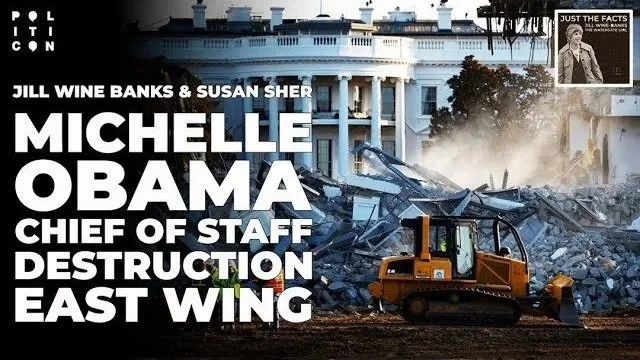
Jill Wine-Banks and her dear friend Susan Sher chat about the complete destruction of the East Wing of the White House. Susan was Michelle Obama’s Chief of Staff. They talk about life there and the emotional and symbolic importance of the East Wing. They also explore how its demolition is a loss not just of a building, but of a vital part of the nation’s heart and identity.

Jill Wine-Banks interviews Kate Andersen Brower, a renowned journalist and author The Residence, about the White House's history, layout, and recent changes, particularly the demolition of the East Wing. They discuss the significance of various sections of the White House, the emotional impact of the East Wing's destruction, and the implications of the proposed new addition. The conversation highlights the importance of preserving historical sites and the emotional connection Americans have with the White House.
Susan Berger and Jill Wine-Banks discuss the challenges of engaging with individuals who hold differing political views, particularly in the context of the current political climate in the United States. They explore strategies for effective communication, the importance of building trust, and the role of media in shaping public perception. The discussion emphasizes the need for collaboration and understanding in order to bridge divides and protect democratic values.

Jill Wine-Banks, Susan Berger, and Karin Tamerius discuss the complexities of communicating with individuals who hold differing political views. They explore the importance of building trust, engaging emotionally before presenting facts, and employing effective dialogue strategies. The discussion emphasizes the need for personal stories, setting boundaries in political discussions, and finding common ground to foster understanding. Additionally, they address the impact of media consumption on mental health and the importance of staying informed without becoming overwhelmed.

Jill Wine-Banks and Jim Robenalt discuss the recent indictment of James Comey, exploring its implications, legal context, and controversies. They delve into the indictment’s details, key figures’ credibility, and broader issues of women in the military. The conversation highlights legal complexities and challenges faced by public figures. They discuss ongoing investigations related to Donald Trump, preliminary hearings, and ethical considerations within the Justice Department. Drawing parallels to Watergate, they emphasize the integrity of the legal system and civic engagement in political challenges. The discussion emphasizes evidence, ethics, and historical context of political accountability.


Jill Wine-Banks and Susan Berger discuss the emotional impact of the testimonies from survivors of Jeffrey Epstein's abuse, the role of government and legal implications surrounding the case, and the accountability of public figures involved. They explore the complexities of the statute of limitations, the investigation into Acosta's sweetheart deal, and the broader implications of Epstein's network on the survivors. The discussion emphasizes the need for justice, transparency, and the importance of listening to the survivors' voices.

Jill Wine-Banks and Susan Berger discuss the recent hearing involving RFK Jr. and the implications of his statements on public health, particularly regarding vaccines and the CDC. They express concerns about the chaotic management of health policies, the misinformation surrounding vaccines, and the disrespectful nature of the hearing. The conversation highlights the urgent need for public activism to address the ongoing public health crisis and the importance of reliable information in combating misinformation.


Jill Wine-Banks and Susan Berger discuss Trump and his behavior, more like a King than a President, Also discussed is the significance of Women's Equality Day, the current political landscape with a focus on standing up to Trump, the power of political speech, and the dangers of militarization in politics. They highlight the actions of Democratic leaders and the importance of grassroots activism in preserving democracy.
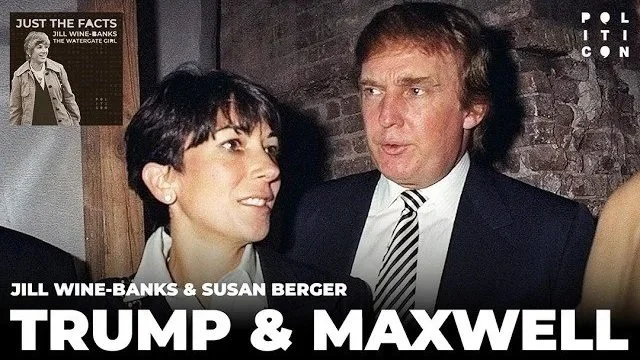
Jill Wine-Banks and Susan Berger discuss the recent interview of Ghislaine Maxwell, highlighting her history of dishonesty and the implications of her statements. They express outrage over the interview's legitimacy, the role of Donald Trump's attorney, and the lack of accountability for Maxwell and Jeffrey Epstein. The discussion also touches on the legal ramifications of Epstein's non-prosecution agreement and the need for victims' voices to be heard.


Jill Wine-Banks and Susan Berger discuss the implications of Donald Trump's connection to the Epstein files, the distractions he creates to divert attention from serious issues, and the political maneuvering surrounding these events. They explore how Trump's actions and statements serve as diversions from his past and current controversies, particularly regarding the Epstein case, and how these distractions impact public perception and political discourse.

Jill Wine-Banks interviews Bill Kurtis, a legendary figure in broadcasting, discussing his unexpected journey from law to journalism, the impact of a tornado on his career, and his significant coverage of high-profile cases like Richard Speck.

Jill Wine-Banks and Susan Berger discuss the implications of Robert F. Kennedy Jr.'s influence on public health policies, particularly regarding vaccine recommendations. They delve into a lawsuit filed against him by medical groups, expressing concerns about the potential removal of vaccines from CDC recommendations and the impact on public health, especially in light of rising measles cases. The discussion also critiques the current health leadership and their decisions, emphasizing the importance of following scientific advice and consulting healthcare professionals.

Jill Wine-Banks is joined by Congressman Jake Auchincloss to discuss the the implications of cryptocurrency and political corruption, the pressing issues facing the middle class, including economic freedom, housing affordability, and healthcare costs. He emphasizes the need for manufacturing housing solutions and the importance of trade schools in providing economic mobility. Auchincloss also addresses the corruption in politics, the role of Democrats in future elections, and the power dynamics within the House. He highlights the impact of healthcare costs on the middle class. The conversation concludes with discussions on public services, budgeting, and the need for campaign finance reform.

Jill Wine-Banks & Susan Berger discuss strategies for managing stress and taking action in the face of political challenges. They emphasize the importance of staying informed, engaging in community support, and the power of protest. The discussion highlights personal experiences and practical tips for individuals looking to make a difference while maintaining their mental well-being.

Feeling overwhelmed by the chaos coming from the White House, Congress, and Supreme Court? You’re not alone — and you’re not powerless. In this action-focused guide, Jill Wine-Banks and journalist Susan Berger offer practical steps you can take right now to protect democracy, push back against extremism, and care for your mental well-being along the way. From writing op-eds and calling Congress to volunteering, protesting, and finding emotional balance — this is your roadmap for making a difference without burning out.
#SistersInLaw
Joyce Vance hosts #SistersInLaw to discuss the recent developments in the fraud case against the SPLC by doing a deep dive into the background of the organization, explaining the charges against it, and highlighting the political motivations for the charges. Then, the #Sisters expose the issues with Trump’s relase of Truth API, explore possible 1st Amendment challenges, and the ethical dillemas involved. They also review the DOJ’s dismissal of its case against Harvard University regarding allegations of anti-semitism, the applicable legal framework, and the political machinations involved.
Barb McQuade and Jill Wine-Banks answer listener questions on everything from the standards for overturning judicial precedent to the relationship between standing and venue. They discuss the four factors courts should weigh before discarding stare decisis, the two E. Jean Carroll judgments against Trump still on appeal, practical ways media consumers can spot AI fakes, greater-than-life sentences, fugitives who flee to non-extradition countries, and the difference between standing and venue.
Jill Wine-Banks hosts #SistersInLaw to discuss Jeanine Pirro’s dismissal of the reflecting pool case against David Hearn and the dangers of prosecutorial misconduct. Then, the #Sisters explain the larger impact of the Justice Department’s motion to vacate convictions related to the J6 insurrection, focusing on the cases of Stuart Rhodes and the Oath Keepers, and calling for accountability for those who attempt to subvert our system of government and the rule of law. They also review Trump’s recent executive orders on birthright citizenship and immigration, explain what they mean in light of the SCOTUS decision in Trump v. Barbara, and explore the potential for legal challenges.
Barb McQuade and Jill Wine-Banks answer listener questions on everything from completing a FOIA request to Trump’s trademark on MAGA. They discuss how long FOIA responses can take and the option to sue, First Amendment limits on trademarking political slogans like “Make America Great,” the constitutional ban on foreign emoluments and the Qatar plane gift, why jointly impeaching and convicting Trump and Vance is impractical due to succession rules, the release of Fauci’s government-computer notes and his repeated Fifth Amendment invocations, and the lack of any constitutional requirements to serve as a federal judge.
Barb McQuade hosts #SistersInLaw to discuss the recent legal developments surrounding the indictment of James Comey, his attempt to dismiss is, the definition of true threats, and the difference between selective and vindictive prosecution. Then, the #Sisters examine the botched confirmation of Todd Blanche’s appointment to Attorney General, Trump’s influence on the proceedings, and the challenges he would face in the role. They also review Trump’s executive order eeking to limit mail-in voting, the legal challenges it faces, and MAGA’s broader war on election integrity.
Barb McQuade and Kimberly Atkins Stohr answer listener questions on everything from privacy protections to Latin legal terms. They discuss the EU’s GDPR as a model for treating personal data as belonging to individuals, whether media outlets face liability for declining to air presidential speeches live, how to respond when people treat “socialism” as a curse word, why Trump’s impeachments cannot be nullified or expunged, the difference between lies, misinformation, and disinformation, and their favorite Latin legal phrases, like res ipsa loquitur and quantum meruit.
Kimberly Atkins Stohr hosts #SistersInLaw to discuss the NYT’s victory over the DOJ’s attempt to subpoena its reporters to testify about their national security reporting and the effects government actions can have on press freedom and democracy. Then, the #Sisters review the legal allegations Jim Jordan has levied against Jack Smith, the political motivations involved, and the role of the Speech or Debate Clause. They also explore the legal battle over the proposed merger between Paramount and Warner Bros., why state attorneys general are challenging it, and its implications for the entertainment industry and consumers.
In this episode of #SistersInLaw Sidebar, Barb McQuade and Jill Wine-Banks answer listener questions on everything from the Emoluments Clause to restoring trust in the rule of law. They discuss whether the Qatari plane gift violates the Emoluments Clause and how Congress could enforce it, the filibuster’s role in enabling more extreme judicial nominees, concerns about raids on groups like the League of Women Voters after concerning rhetoric from the Trump administration, balancing belief in survivors with due process, key differences between civil and criminal contempt, and what it will take to restore people’s faith in the DOJ.
Joyce Vance hosts #SistersInLaw to discuss Todd Blanche’s confirmation hearing to become the acting Attorney General, Judge Williams’ opinion on Trump’s lawsuit against the IRS, and the role Senate hearings play in trust and transparency. Then, the #Sisters review the recent violent incidents involving ICE agents, reflect on the danger the administration’s approach poses to public safety, and call for proper training and accountability. They also dissect Trump’s speech on election integrity, analyze it in the context of misinformation and disinformation, and examine the impact of false narratives on future elections.
In this episode of Sisters Sidebar, Barb McQuade and Joyce Vance answer listener questions on everything from how Democrats should wield executive power to a social media ban for minors, and more. They discuss John Brennan’s ability to protect himself from the Trump administration by proactively filing lawsuits, whether a case can be appealed multiple times, what they think of a social media ban for minors, the ability of Congress to create and dissolve independent commissions, how a Democrat president should govern after the SCOTUS rulings strengthening the executive branch, and the value of being an extrovert in the legal field.
Jill Wine-Banks hosts #SistersInLaw to criticize Blanche for undermining DOJ independence, acting as Trump’s personal lawyer, and purging career officials who worked on Trump or J6 cases. Then, the #Sisters analyze the deadly ICE shooting of longtime Houston resident Lorenzo Salgado Arajo, contrasting official claims with video and witness evidence, and discuss use-of-force violations and due process failures. They also expose the administration’s efforts to intimidate election officials, send monitors, issue criminal warnings, and fire members of the Election Assistance Commission to undermine trust in the midterms.
In this episode of Sisters Sidebar, Barb McQuade and Jill Wine-Banks answer listener questions on moving immigration courts to the judicial branch, how to call a constitutional convention, and more. They explain why immigration judges should be independent from the DOJ, discuss the legal effect of pardons on guilt and restitution, push back against attempts to downplay Watergate and rehabilitate Richard Nixon, clarify how a constitutional convention would work under Article V, and strongly advocate for more cameras in courtrooms to increase public trust in the judicial branch.
Barb McQuade hosts #SistersInLaw to discuss the recent Supreme Court rulings and how they affect our lives. They review the implications of the decisions on birthright citizenship, the president’s control over independent agencies, voting rights, transgender participation in sports, and campaign finance. During it, they analyze the court’s performance, expose its connection to Trump and the MAGA agenda, and call for more protections for the rights of all individuals. They also delve into how the court makes decisions, expose its inconsistencies, and lay out the trends it seems to be following as it heads into the upcoming term.
In this episode of Sisters Sidebar, Kimberly Atkins Stohr and Joyce Vance answer listener questions on de facto versus de jure, navigating a legal career path, jurisdiction over Trump’s arch, and more. They explain why Virginia has no jurisdiction to stop Trump’s arch, detail the procedural twists in his Florida IRS case, offer advice on avoiding conflicts of interest from political involvement, strongly endorse public tax disclosures for transparency, give legal examples of de facto versus de jure issues using voting rights scenarios, and reflect on mentorship, pro bono work, and finding a rewarding path in public service.
Kimberly Atkins Stohr hosts #SistersInLaw to discuss new developments regarding the Epstein Files Transparency Act following a lawsuit by Katie Phang and the future of the case as it heads to appeal. Then, the #Sisters review Justice Alito’s recent authorship of immigration rulings affecting TPS and asylum seekers, as well as the dissents by Justices Kagan and Sotomayor. They also explain the power of dissents against impactful majority decisions, how they can be used as a tool for future change, and the constitutional implications of federal overreach in the states.
In this episode of Sisters Sidebar, Jill Wine-Banks and Joyce Vance answer listener questions on the Trump-IRS lawsuit settlement, the War Powers Resolution, posthumous prosecutions, and more. They discuss whether Trump’s non-adversarial IRS suit can produce a valid broad tax forgiveness deal for him and his family, congressional checks on potential military action in Iran, Katie Phang’s lawsuit against Todd Blanche, how to safely renew your passport, why the dead cannot be prosecuted, and the process of how the vice president is sworn in after a president resigns or dies.
In this episode of Sisters Sidebar, Joyce Vance and Jill Wine-Banks answer your questions on Trump’s controversial slush fund, crimes committed in prison, and more. They discuss why the president cannot legally use taxpayer money as a personal slush fund, ongoing lawsuits challenging the fund, creative ways Congress and citizens might push back, the best internships for aspiring law students, when the hosts first knew they wanted to become lawyers, how crimes in federal prisons are prosecuted compared to the outside world, and whether Trump could receive an automatic self-pardon for potential insider trading.
Joyce Vance hosts #SistersInLaw to discuss Kash Patel’s premature announcements of arrests in a possible terror plot that could compromise the investigation and an alleged slush fund for FBI agents. Then, the #Sisters discuss the need for congressional oversight of law enforcement following the FBI’s search of the Ohio Organizing Collective in a move that could jeopardize voting rights and registration efforts. They also review Hemani v United States, looking at the facts of the case, the intersection of the 2nd Amendment and drug use, and the court’s tendency towards decisions favoring gun rights.
In this episode of Sisters Sidebar, Jill Wine-Banks and Kimberly Atkins Stohr answer listener questions on presidential appointments, Trump’s use of the DOJ against political enemies, online threats, and more. They discuss whether a president’s former personal attorney can serve as Attorney General, the constitution and what citizens can do to strengthen democracy on the country’s 250th birthday, whether national monuments can be renamed or repurposed, if a future DOJ can overturn Trump’s “in perpetuity” tax agreement, how online threats become legally actionable, the ability of Trump’s doctor to invoke the 25th Amendment, and why the DOJ is pursuing cases against Trump’s perceived enemies rather than his personal lawyers.
In this episode of Sisters Sidebar, Joyce Vance and Jill Wine-Banks answer your questions on Trump’s controversial slush fund, crimes committed in prison, and more. They discuss why the president cannot legally use taxpayer money as a personal slush fund, ongoing lawsuits challenging the fund, creative ways Congress and citizens might push back, the best internships for aspiring law students, when the hosts first knew they wanted to become lawyers, how crimes in federal prisons are prosecuted compared to the outside world, and whether Trump could receive an automatic self-pardon for potential insider trading.
Jill Wine-Banks hosts #SistersInLaw to discuss the latest developments concerning the slush fund for J6 defendants and others, covering court rulings by Judges Leon and Brinkema that halted it and skepticism about the administration’s claims that it was dead. Then, they examine Ken Paxton’s retaliatory lawsuit against the Democratic fundraising platform ActBlue and the partisan congressional hearing that sought to question its CEO. They also analyze Trump’s push to have Congress pass a resolution expunging his two impeachments from the record, explaining why his plan won’t work and how it weakens existing avenues for government accountability.
In this episode of Sisters Sidebar, Barb McQuade and Joyce Vance answer listener questions on prosecutor ethics, protest rights, trademark law, and more. They discuss whether state bars can discipline federal prosecutors who follow Trump over the rule of law, the difference between protected peaceful protest and actions that can lead to arrest, whether Patagonia has a strong trademark infringement case against drag performer Pattie Gonia, if Todd Blanche could face disbarment for unethical conduct after leaving the Trump administration, whether the Attorney General is legally required to be a lawyer, and classic legal fiction books.
In this episode of Sisters Sidebar, Joyce Vance and Jill Wine-Banks answer your questions on Trump’s controversial slush fund, crimes committed in prison, and more. They discuss why the president cannot legally use taxpayer money as a personal slush fund, ongoing lawsuits challenging the fund, creative ways Congress and citizens might push back, the best internships for aspiring law students, when the hosts first knew they wanted to become lawyers, how crimes in federal prisons are prosecuted compared to the outside world, and whether Trump could receive an automatic self-pardon for potential insider trading.
Joyce Vance hosts #SistersInLaw to discuss John Bolton’s plea deal, compare it to the Petraeus case, explore its Biden-era origins, and contrast Bolton’s cooperation with Trump’s obstruction. Then, the #Sisters dissect Trump’s controversial cabinet picks, particularly the unqualified loyalist Bill Pulte as acting DNI and Todd Blanche for AG, despite his handling of the Epstein files, the slush fund, and other red flags in his confirmation. They also analyze the SCOTUS shadow docket reversal in Alabama’s Milligan case and the Calais ruling, warning of an open season on racial and political gerrymandering nationwide.
This episode was recorded prior to the news that the Trump Administration has suggested that it will follow court order and not use the Anti-Weaponization slush fund it created. We note that DOJ has not canceled the immunity it granted Trump from investigations and payment of past taxes that might be owed and has not said they will not find and fund an alternative method to pay those convicted of Jan6 crimes. Legal challenges remain ongoing and remain necessary.
In this episode of Sisters Sidebar, Joyce Vance and Jill Wine-Banks answer your questions on Trump’s controversial slush fund, crimes committed in prison, and more. They discuss why the president cannot legally use taxpayer money as a personal slush fund, ongoing lawsuits challenging the fund, creative ways Congress and citizens might push back, the best internships for aspiring law students, when the hosts first knew they wanted to become lawyers, how crimes in federal prisons are prosecuted compared to the outside world, and whether Trump could receive an automatic self-pardon for potential insider trading.
Kimberly Atkins Stohr hosts #SistersInLaw to discuss the Trump administration's revenge prosecution of E. Jean Carroll, examining the motivations behind the investigation, the allegations against her, and the role of financial backers in her civil suit against the President. Then, they expose the DOJ's prosecutorial misconduct in the Broadview Six case, review the vindictive prosecution of Kilmar Abrego Garcia, and highlight the dangers of politicizing DOJ appointments. They also explain the recent SCOTUS decision overturning the murder conviction of Terry Pitchford due to racial discrimination in the jury selection process, and the implications of Justice Kavanaugh’s opinion on future cases.
In this episode of Sisters Sidebar, Barb McQuade and Kimberly Atkins Stohr answer your questions on everything from nationwide injunctions and the mifepristone ruling to the case against Luigi Mangione, and more. They discuss whether universal injunctions are still allowed after recent Supreme Court decisions, Congress’s limited power over state redistricting and apportionment under the Voting Rights Act, the suppression of evidence in the Luigi Mangione trial, Trump’s audit immunity, whether the statute of limitations is truly a “get out of jail free” card, how the Calais decision shifted Voting Rights Act claims from effect to intent, and if the current Supreme Court justices get along behind the scenes.
Barb McQuade hosts #SistersinLaw to discuss the DOJ “anti-weaponization” slush fund that uses $1.8 billion in taxpayer money to pay Trump, his allies, and J6 rioters for alleged government “weaponization,” along with a lifetime IRS audit ban for Trump. Then, the #Sisters break down the DOJ Office of Legal Counsel’s memo declaring the Presidential Records Act unconstitutional, the federal court injunction blocking the White House from ignoring the law, and the danger to our system. They also examine the indictment of former Cuban President Raúl Castro, the evidence against him, its questionable timing, and the possibility of military action.
In this episode of Sisters Sidebar, Barb McQuade and Jill Wine-Banks answer your questions on everything from impeaching Trump, Vance, and the cabinet all at once to AI-generated political ads, and more. They discuss whether Article II, Section 4 allows mass removal of the entire executive branch, Congress’s power to set mandatory minimum sentences, the legality of Trump’s picture on U.S. passports, quarantine powers during outbreaks like the Hantavirus, the rights of retired military officers like Pete Hegseth to freely talk on politics, and the legality of Spencer Pratt’s AI ad using the likeness of his political opponents.
Jill Wine-Banks hosts #SistersInLaw to explain the D.C. Circuit arguments over Trump’s 2025 executive order punishing elite law firms for representing clients and causes he dislikes, the firms’ lower court wins, the government’s failed arguments, and the court’s skepticism. Then, the #Sisters examine the DOJ subpoena to the Wall Street Journal issued as part of a leak investigation, and discuss its threat to press freedom. They also review Jamie Raskin’s anti-corruption bills that strengthen emoluments rules, ban pardon payments, and further other good-government reforms.
In this episode of Sisters Sidebar, Jill Wine-Banks and Kimberly Atkins-Stor answer your questions on everything from the Secretary of Defense’s firing powers to conservatorships, and more. They discuss Pete Hegseth’s removal of the Secretary of the Navy, how the Posse Comitatus Act applies to JAG attorneys prosecuting civilian cases, whether substituting the United States as defendant in the E. Jean Carroll case could reopen presidential immunity, if the Roberts’ Court would have upheld the Voting Rights Act in 1965, using a dictionary definition of 86 to defeat Jim Comey’s indictment, and the process for initiating conservatorships.
Joyce Vance hosts #SistersInLaw to discuss Chief Justice Roberts’ defense of the SCOTUS against partisanship accusations, the controversy over its Louisiana v. Callais ruling and the immediate implementation of the decision, and Justice Jackson’s pushback on the court. Then, the #Sisters break down the escalating gerrymandering war, Trump’s pressure on Republicans to redraw maps mid-decade, and Democrats' possible responses. They also examine the FBI’s seizure of 2020 election records from Fulton County, Georgia, a federal judge’s refusal to return them, and suspicious FBI targeting of a Democratic state senator involved in Virginia redistricting.
iGen Politics

Jill Wine-Banks and Victor Shi reflect on their intergenerational podcast, iGen Politics, and the highlights of their four-year journey. They discuss their favorite episodes, including interviews with Madeline Albright and Billy Ray, and the growth of their audience and community. They also mention the challenges of recording during the pandemic and the future of the podcast. They emphasize the importance of intergenerational conversations and the upcoming election. They conclude by thanking their listeners and encouraging them to stay tuned for future episodes.

Jill & Victor discuss messaging and what Democrats must do to win big in the upcoming elections. They are joined by Billy Ray, an Emmy award-winning writer and political advisor. The conversation covers various topics, including the messaging and tone of President Biden's State of the Union speech, the impact of cultural issues on Democratic messaging, and the importance of establishing a new frame for Democratic messaging. They also discuss crafting messages for undecided independent voters, enhancing the production and storytelling of presidential speeches, and reframing Democratic messaging on key issues like guns, climate change, and abortion.

The conversation with Noah Shachtman covers the misuse of prescription medications in the White House, particularly during the Trump administration. The White House Medical Office was found to have sloppy handling of prescription medications, including the use of military-grade stimulants like modafinil to keep up with the pace of dealing with Donald Trump. The White House doctor, Ronnie Jackson, was known for his eccentric behavior and abuse of power. The conversation also touches on the difference between being a writer and an editor in journalism, the future of magazines in the digital age, and the media's coverage of Biden and Trump.


Barb McQuade, cohost of #SistersInLaw, joins Jill and Victor to talk about her book, Attack From Within: How Disinformation Is Sabotaging America. She is currently on a book tour.
Barb McQuade, MSNBC's legal expert, breaks down the ways disinformation has become a tool to drive voters to extremes, disempower our legal structures, and consolidate power in the hands of the few.
"One of the most acute observers of our time shares . . . a compelling work about a challenge that—left unexamined and left unchecked—could undermine our democracy." —Eric H. Holder Jr, 82nd Attorney General of the United States

Jill Wine-Banks and Victor Shi and joined by Olivia Julianna, Harry Sisson, and Isaiah Martin on this week's episode.

Jamin Raskin is an American attorney, law professor, and politician serving as the U.S. representative for Maryland's 8th congressional district since 2017. A member of the Democratic Party, he served in the Maryland State Senate from 2007 to 2016
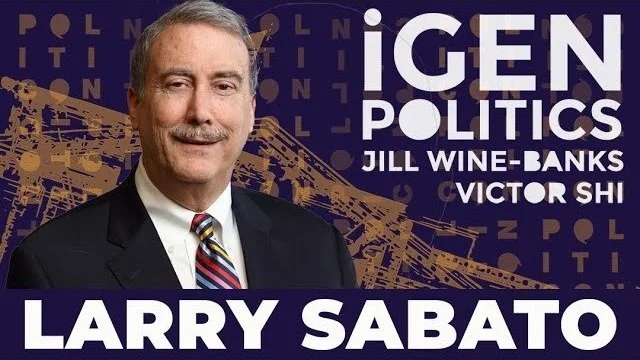
Larry Sabato is an American political scientist and political analyst. He is the Robert Kent Gooch Professor of Politics at the University of Virginia, where he is also the founder and director of the Center for Politics, which works to promote civic engagement and participation. He joins Jill Wine-Banks and Victor Shi to discuss Trump's candidacy.

Laurence Tribe is an American legal scholar who is a University Professor Emeritus at Harvard University. He previously served as the Carl M. Loeb University Professor at Harvard Law School. A constitutional law scholar, Tribe is co-founder of the American Constitution Society.

Beto O'Rourke is an American politician who served as the U.S. representative for Texas's 16th congressional district from 2013 to 2019. He joins Jill Wine-Banks and Victor Shi to discuss the immigration battle in Texas.

Our guest today is Simon Rosenberg. He’s a Democratic strategist and operative. Simon has worked on several presidential campaigns including Michael Dukakis and Bill Clinton’s. He has also worked for the DNC and founded a very influential organization called The New Democrat Network. Currently, Simon produces a weekly newsletter called Hopium Chronicles, and appears regularly on MSNBC and other cable networks.

Jill Wine-Banks and Victor Shi talk with Nobel Prize Winning Economist Paul Krugman about the economy, which he says is very strong under President Biden. Paul Krugman is an American economist who is the Distinguished Professor of Economics at the Graduate Center of the City University of New York and a columnist for The New York Times.

Jill Wine-Banks and Victor Shi welcome Dean Obeidallah to discuss the Israel-Hamas War.
Dean Obeidallah is an American lawyer, comedian, and journalist. He is the host of SiriusXM Progress' The Dean Obeidallah Show and a frequent contributor to CNN, The Daily Beast, and MSNBC.

CREW president Noah Bookbinder joins Jill & Victor to explain the situation in Colorado.


Ian Sams serves as Special Assistant to the President & Senior Advisor and Spokesman for White House Counsel’s Office. He talks with Jill and Victor about the possible impeachment of President Biden by House Republicans.


Katie Phang is an American lawyer, political commentator, podcaster, and television host. She hosts The Katie Phang Show, which airs on the weekends on MSNBC and Thursdays to Fridays on Peacock


Donald Trump's trials are well underway and we are getting a glimpse into what he's like as a witness. Today, we bring you a lawyer who used to represent Rudy Giuliani and who turned down a request to be Donald Trump’s lawyer in the Mar-a-Lago search case. He is Jon Sale, who is now a partner at Nelson Mullins in Florida. Jon also previously served on the Watergate Prosecution team with Jill, as an assistant US Attorney in the Southern District of New York and in the District of Connecticut, and has recently appeared on virtually every TV network. He also supports the use of cameras in the Courtroom, which we talk about.

John Kirby is the Coordinator for Strategic Communications at the National Security Council. Since the Hamas attack on Israel, John has been the face of this administration’s public-facing response and he has been doing a phenomenal job explaining how President Biden is responding. Prior to his current position, John served in the US Navy as a rear admiral, was the Spokesperson for the State Department under President Obama from 2015 to 2017, and was the Press Secretary at the Pentagon for the first year and a half of the Biden administration.
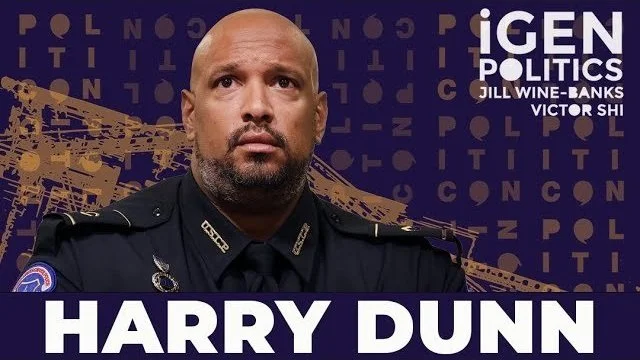
Jill and Victor discuss Harry Dunn's terrible experience at the jan 6th riot and insurrection and his new book - Standing My Ground: A Capitol Police Officer's Fight for Accountability and Good Trouble After January 6th


Cassidy Hutchinson & Alex Butterfield join Victor and Jill for a very special one off discussion, what was it really like to have the courage to testify against a president. Find out from the 2 people who did it, 50 years apart.


How Tommy Tuberville is destroying the military Norm Ornstein, Jill Wine-Banks & Victor Shi

Why there should be cameras in the courtroom with Anthony Coley. Especially in the forthcoming Trump trials.
TV Appearances
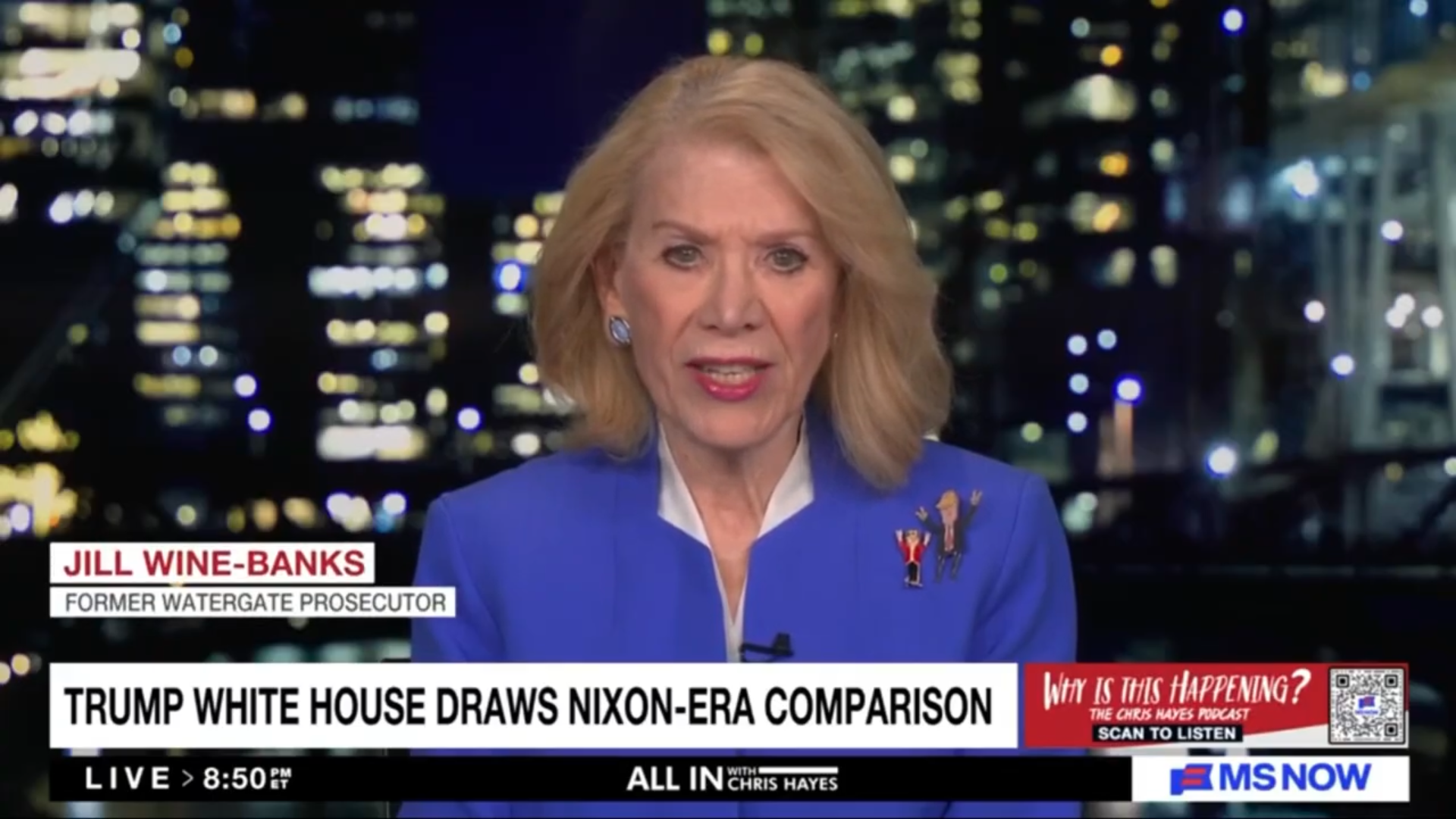
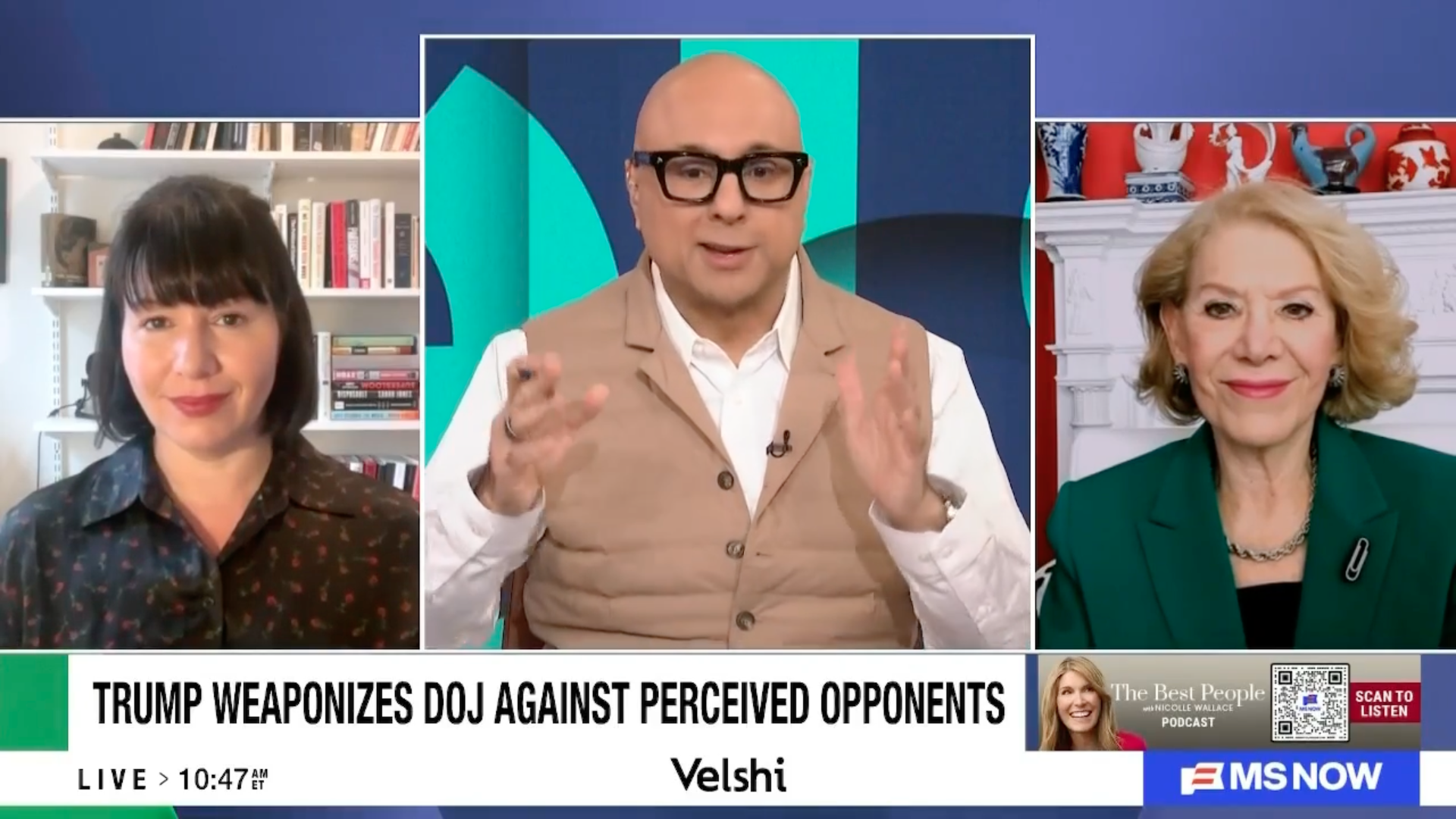


Jill Wine-Banks on why Pete Hegseth's Military Meeting was Dangerous | The Joy Reid Show

In President Trump’s pursuit of retribution, most recently with the indictment of former FBI Director James Comey, he has shattered post-Watergate norms that sought to maintain independence between the White House and the Department of Justice. Watergate prosecutor and co-host of #SistersInLaw podcast, Jill Wine-Banks joins The Weekend to discuss.

August 26 is Women’s (In)Equality Day. To mark the occasion, LWV Chicago President Jane Ruby sat down for a conversation with Jill Wine-Banks, distinguished attorney, podcaster, MSNBC Legal Analyst, and prominent figure in political and legal discourse.


Hearing on the Weaponization of the Federal Government | Subcommittee on the Weaponization of the Federal Government 5/15/2024


Radio Appearances

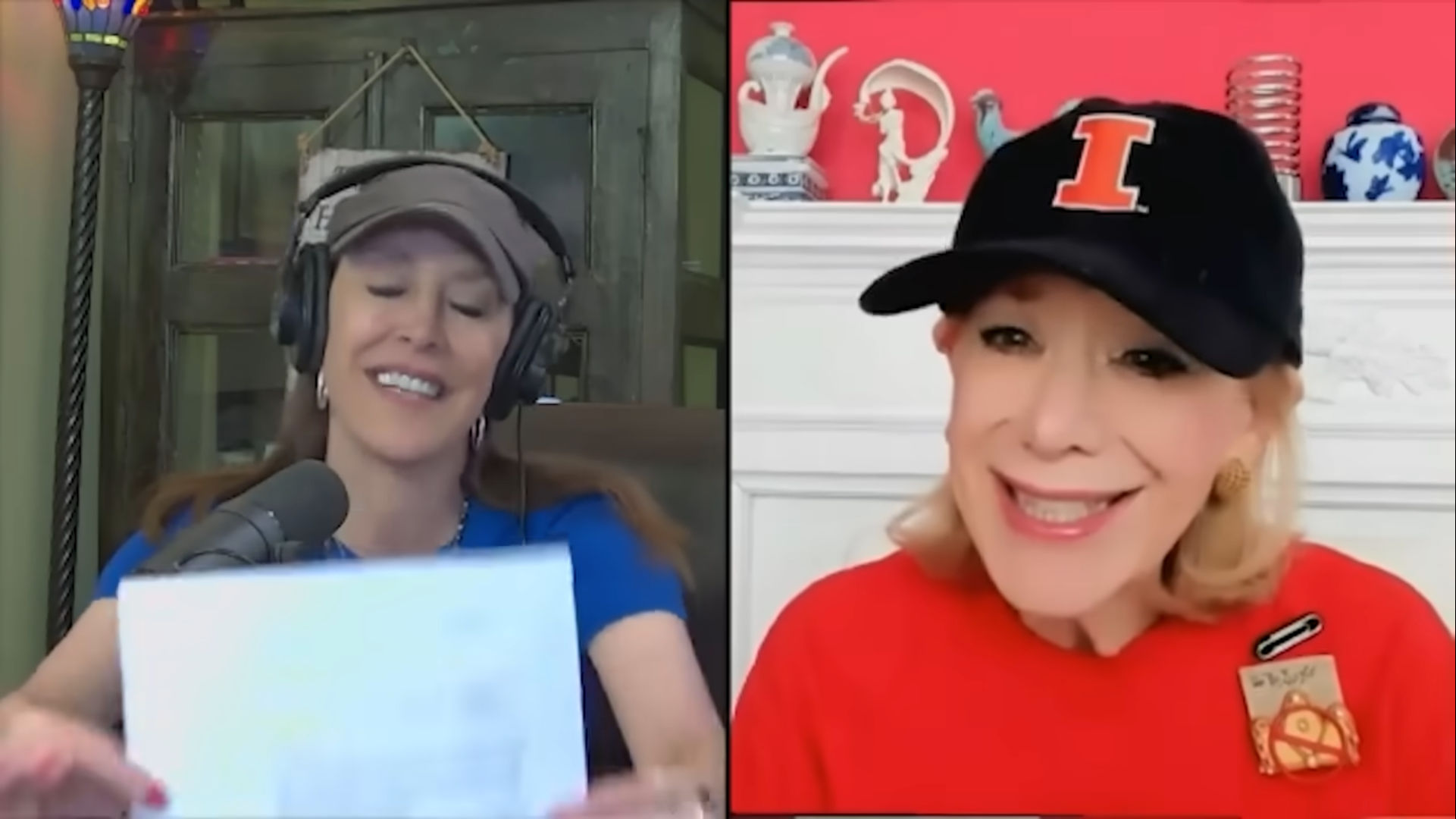

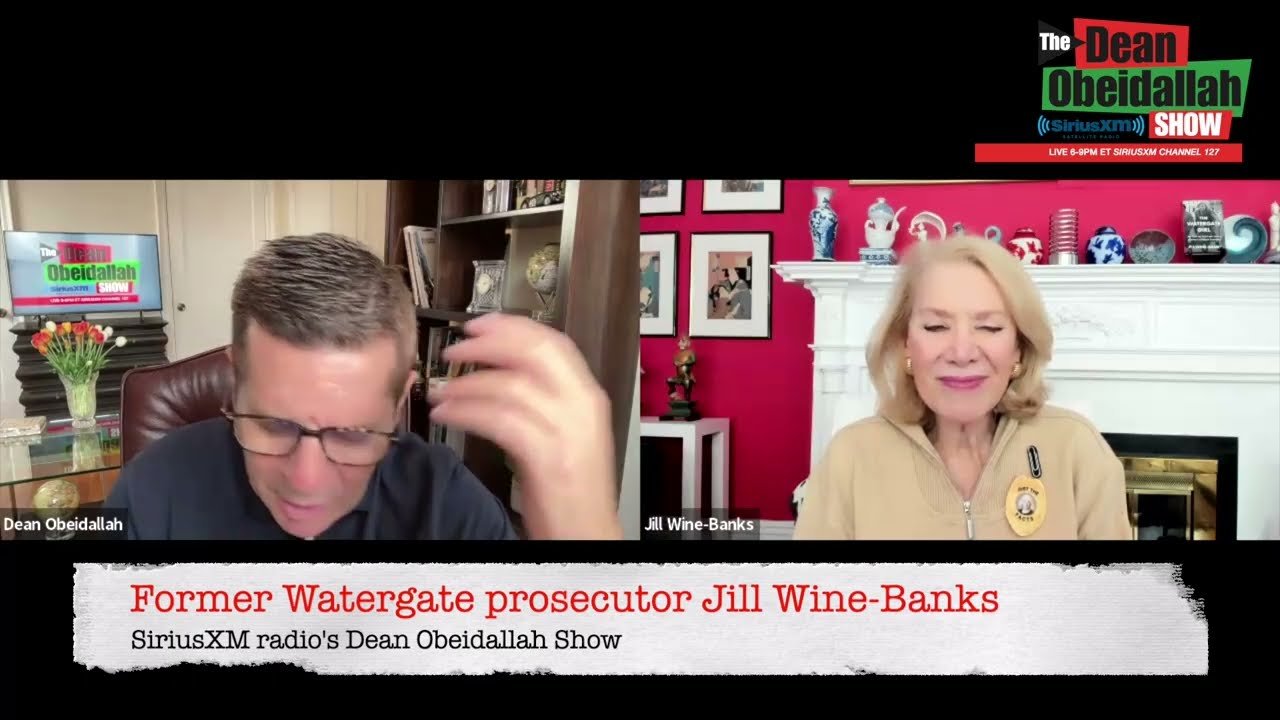

Michael Cohen and Jill Wine-Banks spoke about the Epstein survivors’ latest plea to MAGA on Mea Culpa, breaking down where Congress is at with the discharge petition.
This time, Stephanie and crew talk about the mish mash of excuses Trump is trying to fling at the wall about the Epstein Birthday Book. They also discuss the Supreme Court lifting a lower court's restrictions on immigration enforcement tactics in central California, allowing federal agents to make immigration stops more freely, with the potential for more frequent stops targeting individuals based on appearance. Guests Jody Hamilton and Jill Wine-Banks.

Michael Cohen and Jill Wine-Banks, on Mea Culpa, break down how the scandals coming out of Trump’s administration rival Watergate, and how Fox News has become Trump’s secret weapon for staying in power.

Today on Mea Culpa, I’m joined by Jill Wine-Banks, former Watergate prosecutor, legal analyst, podcast host, and author of The Watergate Girl. We unpack the ongoing Epstein cover-up, the survivors demanding transparency, and Ghislaine Maxwell’s cushy prison transfer. Jill and I also tackle Trump’s unlawful federalization of police and the danger it poses to her hometown of Chicago, along with the rise of authoritarian alliances and America’s economic decline under illegal tariffs. From gun violence to Congress’s failure to act, Jill offers a sobering reminder of how fragile justice has become, and what it will take to fight back.

NPR's Steve Inskeep speaks with former Watergate prosecutor Jill Wine-Banks about parallels between President Trump and President Nixon's use of government agencies to go after perceived enemies.


Events & Other Appearances
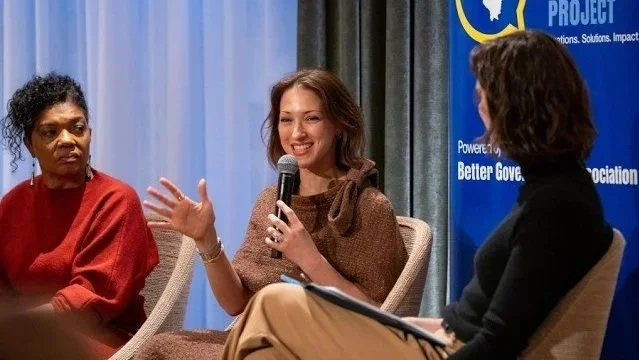
As part of the BGA's effort to honor Women's History Month, we convened a panel of women who hold powerful people and institutions to account and exemplify integrity across Chicago's civic landscape.
The panel included Watergate prosecutor and MSNBC analyst Jill Wine-Banks, Chicago's first-ever female Inspector General, Deborah Witzburg, Illinois Answers Project Editor-in-Chief Ruby Bailey and President of the Chicago chapter of the League of Women Voters, Jane Ruby.
The thoughtful discussion moderated by BGA's Senior Policy Analyst, Sophia Van Pelt, captured the thoughts of the intrepid civic leaders on doing the hard work of accountability while also fighting sexism, the glass ceiling and glass cliff that women often face in the workplace and what it means to "be the first."
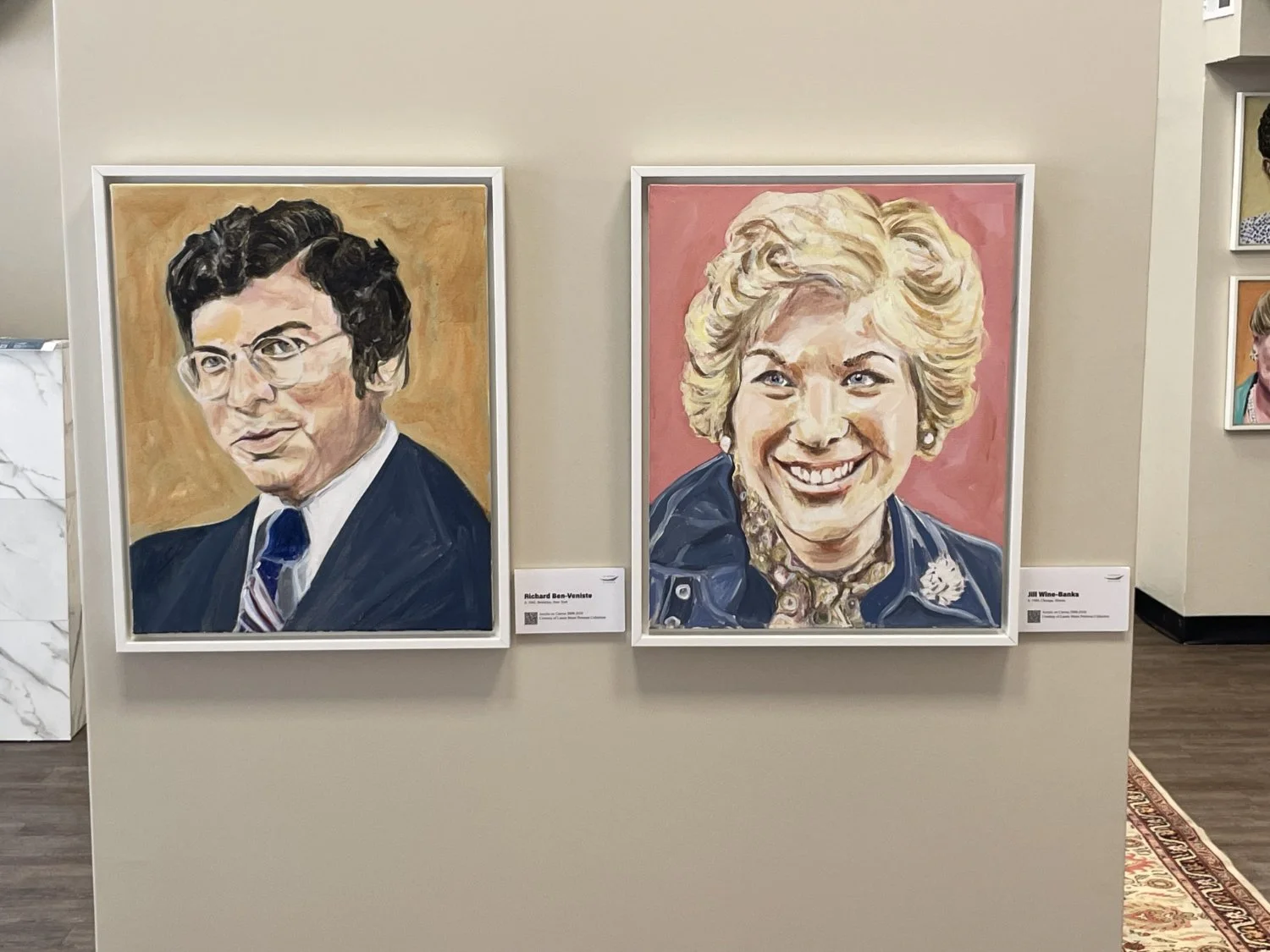
A big collection of 81 portraits by the artist Laurie Munn—all of them pictures of people who were in some way associated with the Watergate scandal.

Former Watergate prosecutor Jill Wine-Banks will discuss her pioneering career and the barriers that women are still facing when the author, businesswoman and MSNBC legal analyst presents the Hiram H. Lesar Distinguished Lecture on Oct. 4 at Southern Illinois University’s School of Law.

Five women who are continuing the legacy of the first female lawyer in America will receive the 2023 Margaret Brent Women Lawyers of Achievement Award at the ABA Annual Meeting in August, the ABA Commission on Women in the Profession has announced.
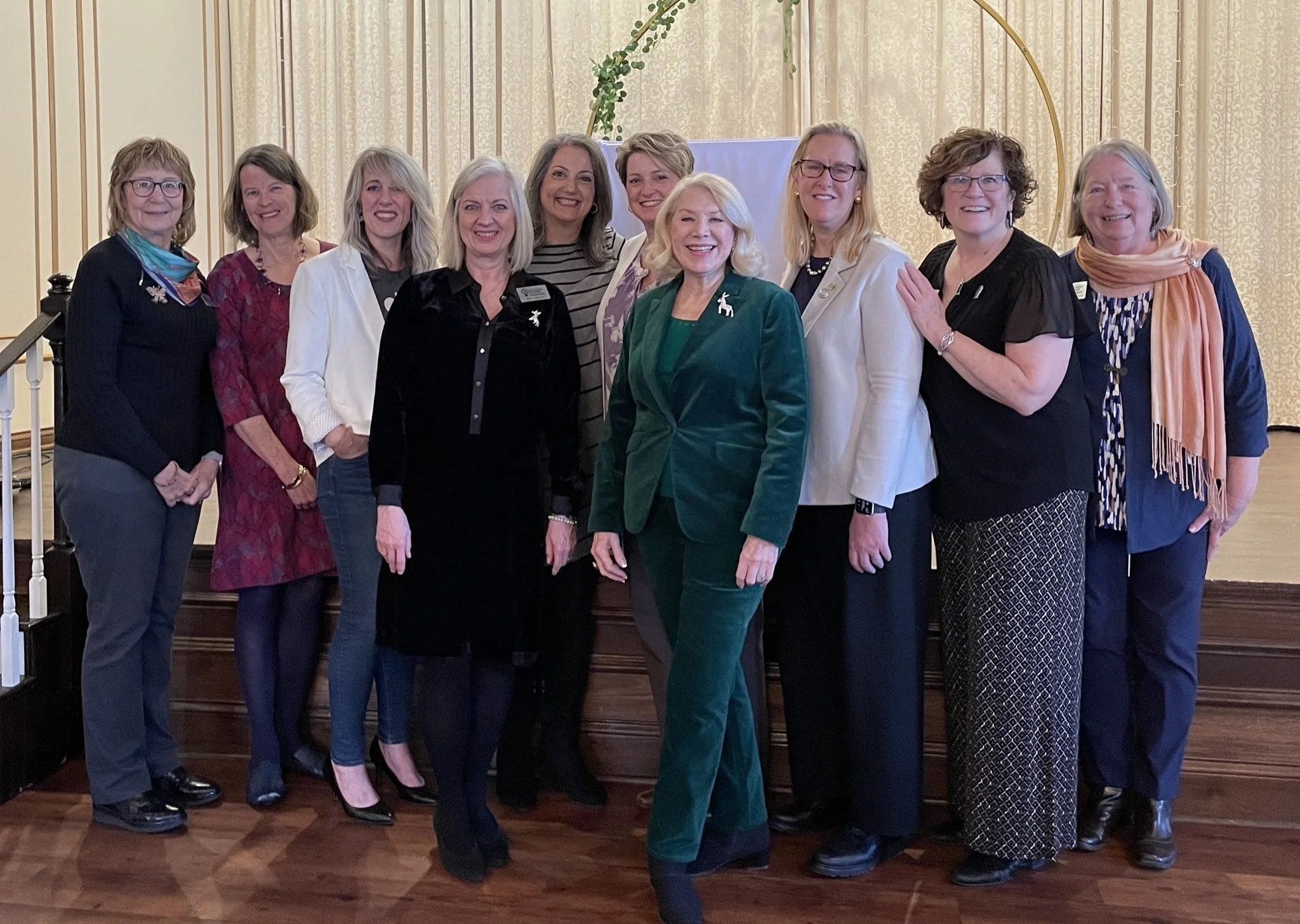


The Reader Institute for Community Journalism highlights the intersections of law and journalism at the Lawyers for Social Justice reception.

I'm honored to be in #WhitneyBedford's Nevertheless collection with so many powerful women who persisted!

Now, more than ever, it’s time to stand up and be heard on the issue of gun violence in America. I would very much appreciate your joining Gabby, Arne Duncan, David Axelrod, Billy Marovitz, me and all the co-hosts for this very important event.

Join me tonight in person. Get your mom a #JillsPin or a signed #WatergateGirl book for Mother's Day and help Evanston's YWCA. I'll be at the Y's Crowded Closet, 820 Dempster, Evanston. I donated some beautiful pins, including 3 #SistersInLaw pins, and have a few books to sell.

Friday, May 20, 2022
Hilton Chicago
International Ballroom
720 South Michigan Avenue, Chicago, IL

It's not too late to sign up for my conversation with @profamandatyler for the @92Y. And yes, that's me 50 years ago.

When she received her Chicago Illini of the Year award on May 22, alumna Jill Wine-Banks (BS ’64, journalism) donned a “With Illinois” Block I pin, a tradition with its own hashtag: #JillsPin.

More than a hundred protesters gathered at Federal Plaza in the Loop on a cold and rainy Thursday evening to demand the release of the full Mueller report.

We demand the truth! Rally with us Thursday, April 4th 5pm at Federal Plaza, 219 S Dearborn St, Chicago, Illinois
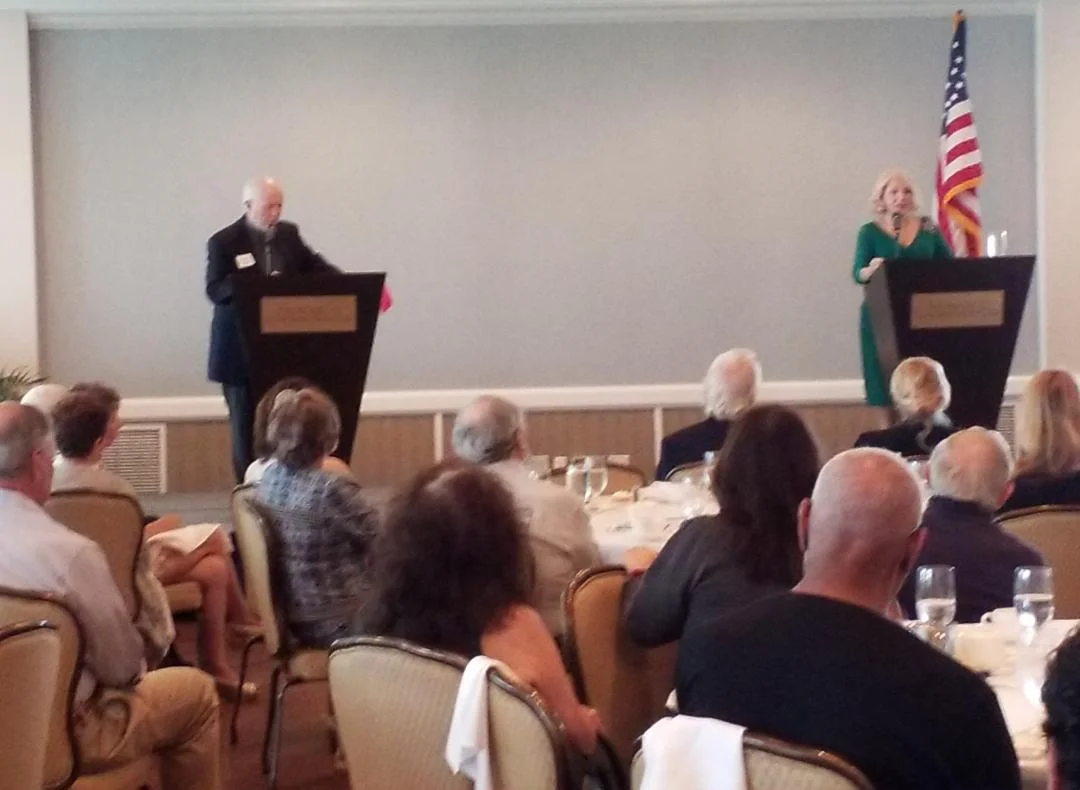
The two most important presidential investigations in U.S. history – Watergate and Trumpgate – came together and were discussed extensively at the Longboat Key Democrat Club’s monthly luncheon.


Discrimination, Obstruction Of Justice & Attacks On The Free Press: The Dismantling Of American Democracy
– Keynote address by Jill Wine-Banks, Former Assistant Watergate Special Prosecutor
Hyatt Regency
1000 Boulevard of the Arts
Sarasota, FL, 34236
Sunday, October 7th, 2018
6:30 pm

Chicago Women Take Action
Bar Louie, 47 West Polk Street
Aug 20
Telluride Film Festival
Colorado
Labor Day Weekend (Aug 31 – Sept 3)
Sarasota
Oct 7
Politicon
Los Angeles
Oct 20 – Oct 21
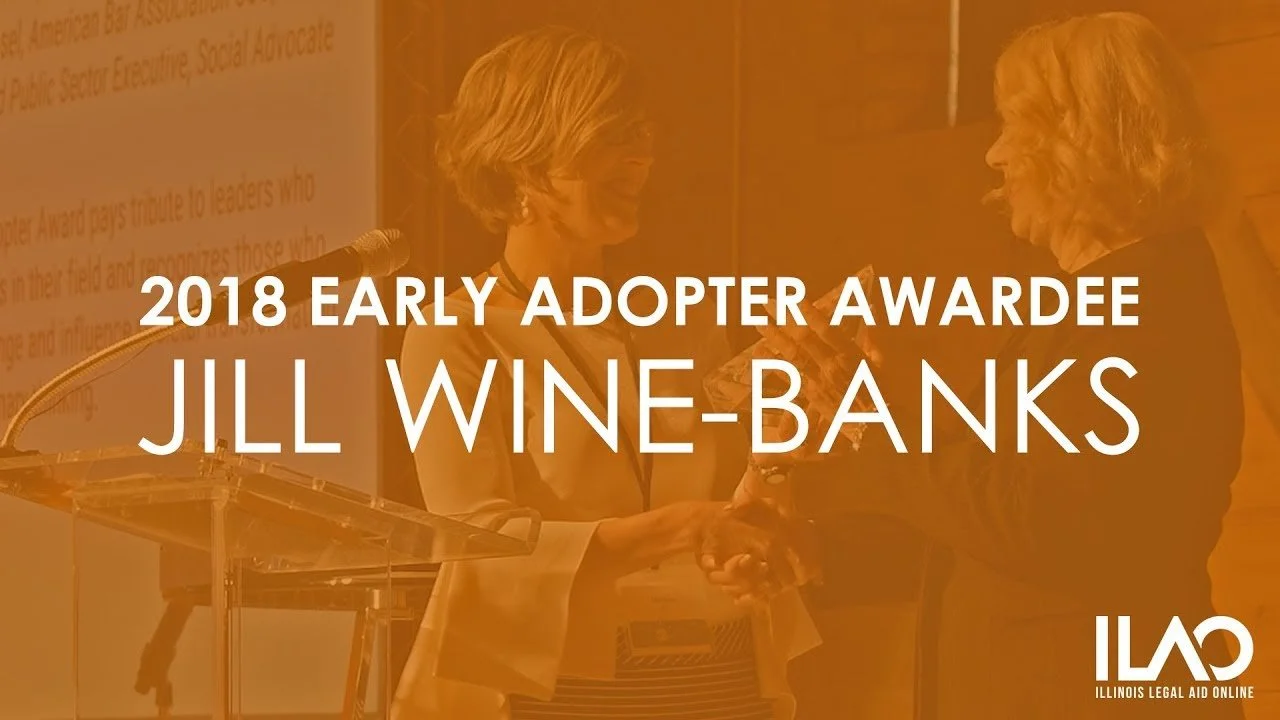
Excerpts from the speech made by Jill Wine-Banks as she accepted ILAO's Early Adopter award at their 8th annual benefit on June 5th, 2018.
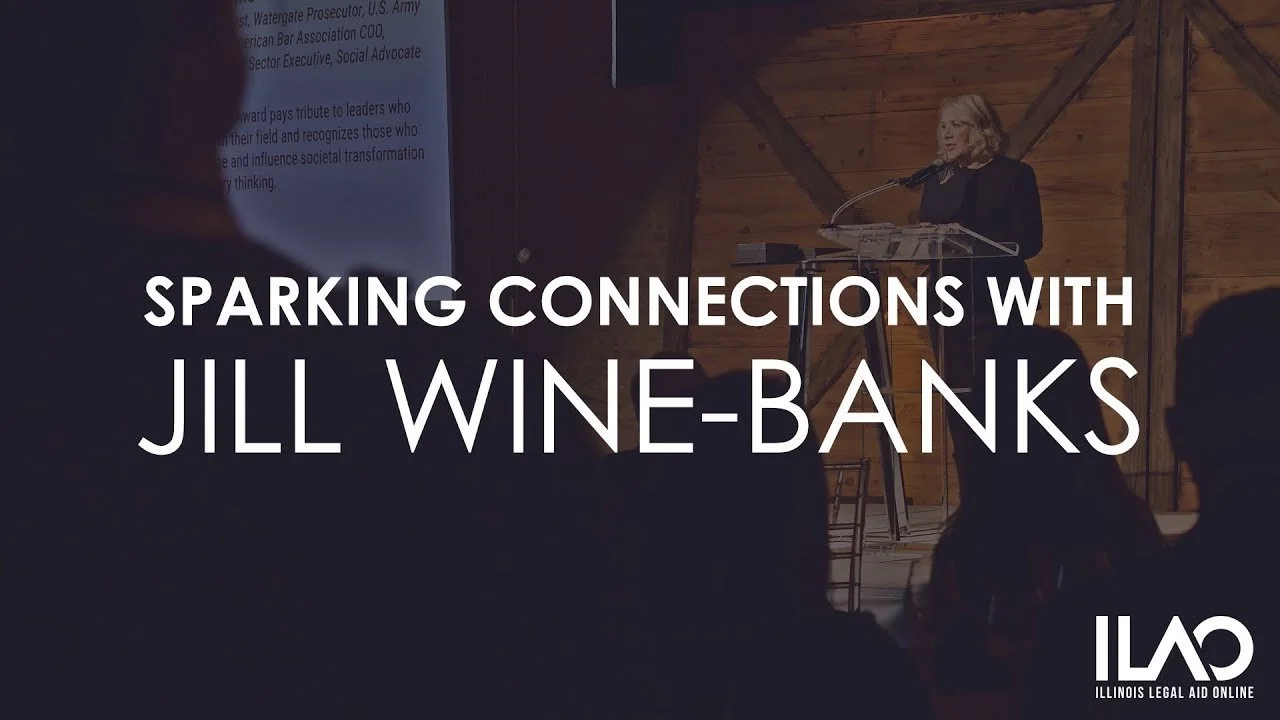
The full speech made by Jill Wine-Banks as she accepted ILAO's Early Adopter award at their 8th annual benefit on June 5th, 2018.

Christine Pelosi in conversation with Former Watergate Prosecutor, Jill Wine-Banks
Julie Bornstein, Moderator
Camelot Theatres
2300 E Baristo Rd
Palm Springs, CA 92262
March 5, 2018
7:00 pm
Purchase seats online at:
https://secure.actblue.com/donate/jwbtickets
Commentary On News & Weekly Events

'Head unbowed': Trump buried for showing 'total disrespect' at service for fallen soldiers


“It’s a message: ‘Don’t worry, I got your back. I’ll take care of you.’ And so it portends danger,” Jill Wine-Banks, one of the prosecutors during the Watergate scandal, told What A Day. “He doesn’t want anyone who speaks up against him … I would say there’s a risk that his people will think getting rid of Democrats is the way to go.”

From speeches replete with lies and threats to Executive Orders undoing protections we need, to pardons of the violent insurrectionists and their leaders, to Elon's smile at Trump's promise to go Mars and his Nazi salute...

Former Watergate prosecutor Jill Wine-Banks called Justice Gesmer's decision "good news" in the wake of U.S. District Judge Aileen Cannon's "crazy" ruling on Tuesday.

Far-right Trump-appointed district judge Aileen Cannon has no authority to block special counsel Jack Smith from releasing his report on the Mar-a-Lago classified documents case, former Watergate prosecutor Jill Wine-Banks told MSNBC's Joy Reid on Tuesday evening.
Former Watergate prosecutor Jill Wine-Banks posted, "Appeals court upholds verdict finding Trump liable for sexually abusing E. Jean Carroll. The Courts remain as guardrails of the rule of law. "
"Joyce is right to be skeptical. Criminals find ways around inconvenient laws, and in Trump’s case, the Constitution," Wine-Banks posted on Blue Sky.

Judge Aileen Cannon dismissed all charges against former President Donald Trump in his federal classified documents case.
Jill Wine-Banks, a former Watergate prosecutor, told the SistersInLaw podcast that she believes Judge Chutkan will "rule quickly" on whether the evidence can be unsealed, meaning it could be made public before the election.
"Her history has shown that she acts quickly. So I expect that she will rule quickly enough on this that we could see it," Wine-Banks said.
She added that Smith's brief could include "a pretty good summary of what the facts are that relate to the superseding indictment and why the things that he still has in the charges are all either completely unofficial acts, personal acts of candidate Trump, or why they are rebuttable official acts."

Here's a thread of six important news stories you need to know that didn't get the coverage they deserve. Please click through for the full impact of these stories.


Texas Governor Greg Abbott's feud with the federal government that has escalated to some calls for "civil war" sheds doubt on long-term American prosperity, says former Watergate prosecutor Jill Wine-Banks.
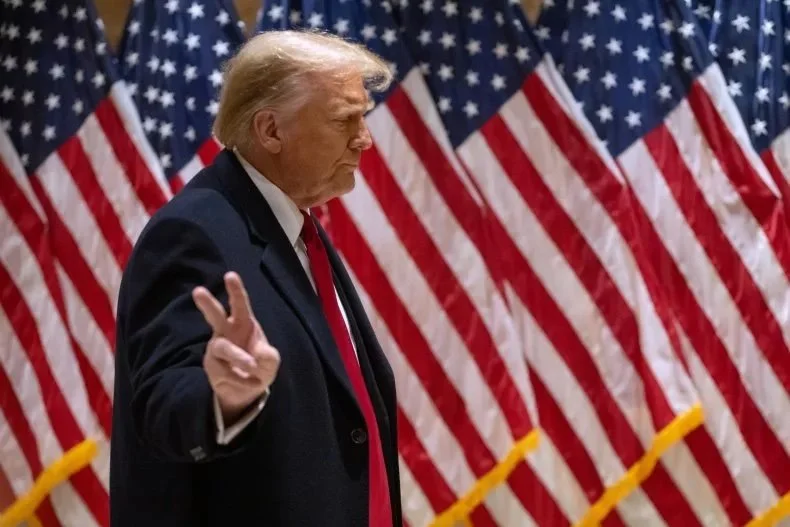
Former Watergate prosecutor Jill Wine-Banks said on Saturday that former President Donald Trump did something "really stupid" in his civil defamation trial from E. Jean Carroll that could result in higher damages.
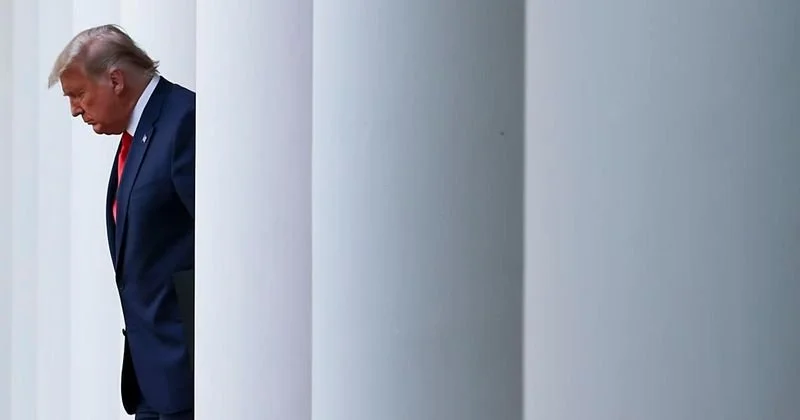
MSNBC legal analyst and former Watergate prosecutor Jill Wine-Banks has weighed in on Donald Trump's recent legal victory in Colorado.

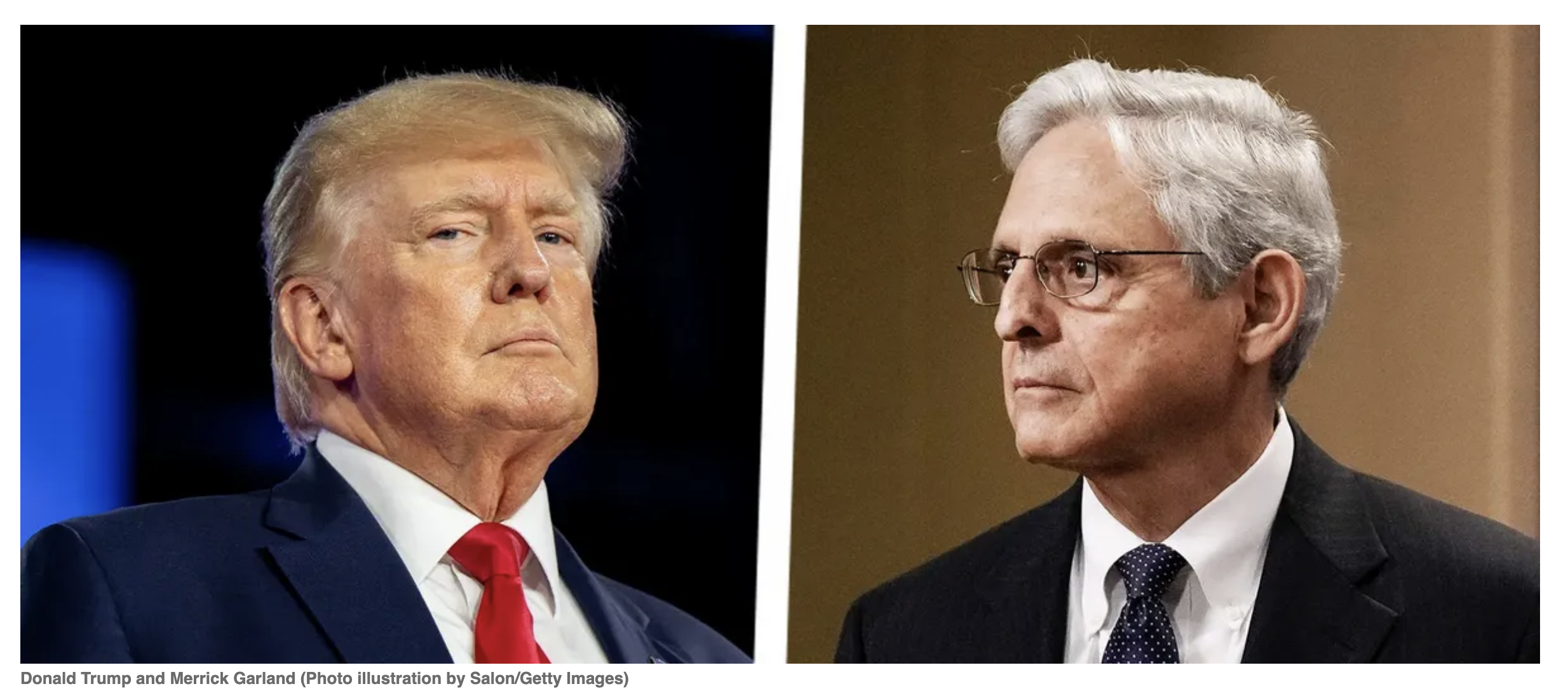
“Ultimate Hail Mary”: Experts say desperate Trump letter to Garland signals indictment is “imminent”

Former Watergate Prosecutor Jill Wine Banks addressed the upcoming Tuesday hearings for the House Select Committee investigating the attack on the 2020 election and the violence against Congress.
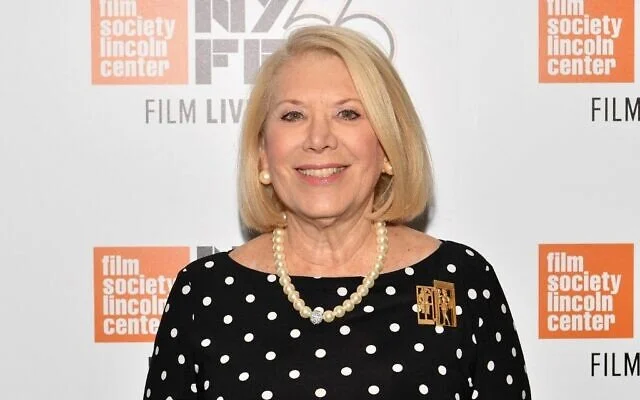
Jill Wine-Banks tells of sexism and barriers; says world has changed since Nixon faced hearings, but committee doing ‘brilliantly’ with compelling storytelling


Peaceful gathering in support of reproductive justice. A call to action to protest attacks on Women's reproductive rights across the country.

Talking Feds #SistersinLaw speak out against homeland security in Portland and other cities. #wedeservebetter

I’ll be watching Barr testify and I’ll try to keep you informed in case you can’t watch.

Today's letter from Adam Schiff to his Republican colleagues is a must read. It poignantly and powerfully argues that Republicans cannot stay silent in the face of the present threat to our democracy.

The newest document from Michael Avenatti is fascinating reading. I don't know how he got this information or how accurate it all is, but at least two of payors are confirmed.

I wanted to expand my remarks on The Last Word With Lawrence O'Donnell 2/9/18 about Trump not declassifying and releasing the Democrats’ rebuttal memo.
Articles & Features On Jill’s Pins
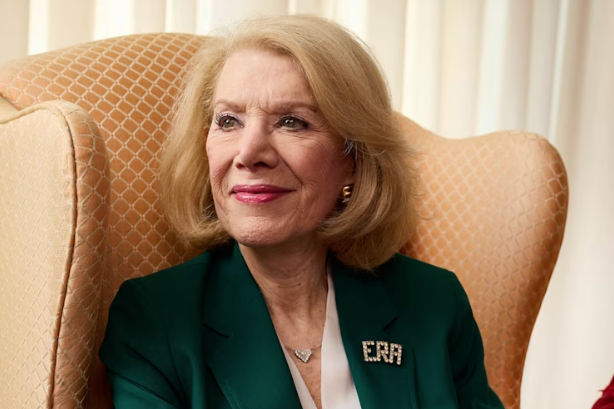
Jewelery is a potent symbol for the lawyer and broadcaster as she expresses her views on the political news of the day

The Peck School of the Arts and UWM Libraries Special Collections will present a public talk by prominent legal analyst and former Watergate prosecutor Jill Wine-Banks.
The event will take place from 7 to 9 p.m. Oct. 24 followed by the opening reception for the exhibition “Jewelry Speaks: The Voice of the Jill Wine-Banks Pin Collection.” This unique event is free and open to the public.

Jill Wine-Banks is a distinguished attorney, former Watergate prosecutor, General Counsel for the Army during the Carter Administration, MSNBC Legal Analyst, podcast host, and a specific kind of jewelry collector. Jill uses the pin as a messaging device to convey ideas, make statements, and construct narratives. This is an exhibition and archiving project featuring pins mined from her personal collection accumulated over a lifetime of work in the political and legal landscape in the US.

In 1973, when MSNBC legal analyst Jill Wine-Banks went by the name Jill Wine Volner, she was an assistant special Watergate prosecutor working for Leon Jaworski, who was investigating a rat's nest of criminal shenanigans emanating from Richard Nixon's White House.

Recipes

On this week’s special Thanksgiving episode, Marissa's guest is Jill Wine-Banks (Watergate prosecutor! General Counsel for the U.S. Army! Brilliant Legal Mind and Owner of Many Pins!). Marissa teaches Jill air-frying techniques (including a wickedly simple recipe for air fryer stuffed mushrooms) and Jill gets Marissa up-to-speed with all the latest legal news, from The Supreme Court to whether Trump can sneak a pardon in Georgia. Plus! How to handle unwanted commentary from your relatives at holiday time and Jill (and Aunt Mill’s) famous Jell-o molds.


Can top with nuts or chocolate or caramel syrup and whip cream, but it's great by itself.

Twitter Spotlights


“Even for @TuckerCarlson, this is low and scary and very dangerous. He will be responsible for increased transmission and worse, for neighbors fighting,” Jill Wine-Banks, a Watergate prosecutor and former general counsel with the Army, wrote on Twitter.

Thanks @SkyviewKevin for making this image. Here I am with Joyce Vance, Barb McQuade, Maya Wiley and Mimi Rocah— the Sisters In Law!
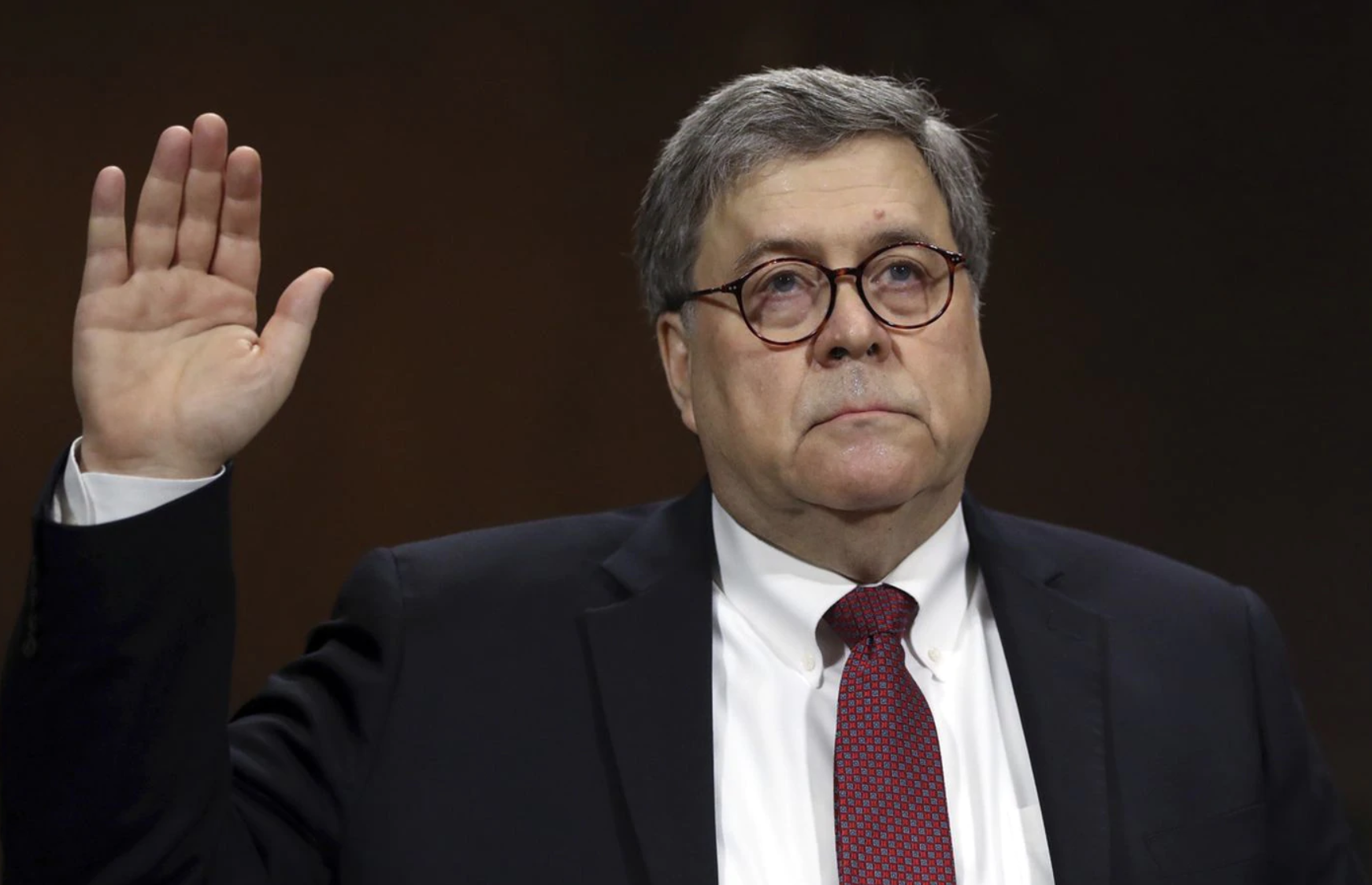


Watergate
As part of the BGA's effort to honor Women's History Month, we convened a panel of women who hold powerful people and institutions to account and exemplify integrity across Chicago's civic landscape.
The panel included Watergate prosecutor and MSNBC analyst Jill Wine-Banks, Chicago's first-ever female Inspector General, Deborah Witzburg, Illinois Answers Project Editor-in-Chief Ruby Bailey and President of the Chicago chapter of the League of Women Voters, Jane Ruby.
The thoughtful discussion moderated by BGA's Senior Policy Analyst, Sophia Van Pelt, captured the thoughts of the intrepid civic leaders on doing the hard work of accountability while also fighting sexism, the glass ceiling and glass cliff that women often face in the workplace and what it means to "be the first."
A big collection of 81 portraits by the artist Laurie Munn—all of them pictures of people who were in some way associated with the Watergate scandal.
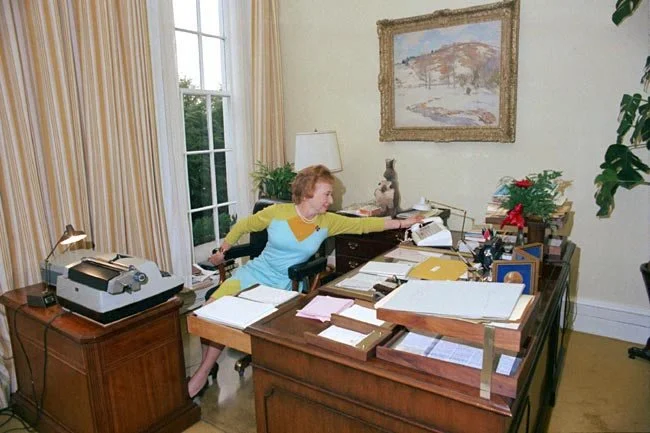
WOW. I was a child when I questioned Nixon's secretary, Rose Mary Woods, about the 18 1/2 minute gap in a key White House tape. This was the Monday after Thanksgiving 52 years ago and I'm still here to tell about it. Read my memoir, #TheWatergateGirl to learn more.

This article was adapted from Elie Honig’s book When You Come at the King: Inside DOJ’s Pursuit of the President, From Nixon to Trump, published on September 16 by Harper.


To commemorate the historic event, Duquesne University hosted a retrospective panel at the National Press Club in Washington, D.C.

Examining the watershed event in the Watergtate scandal in October 1973 that preserved the rule of law and led to the unraveling of the Nixon presidency.

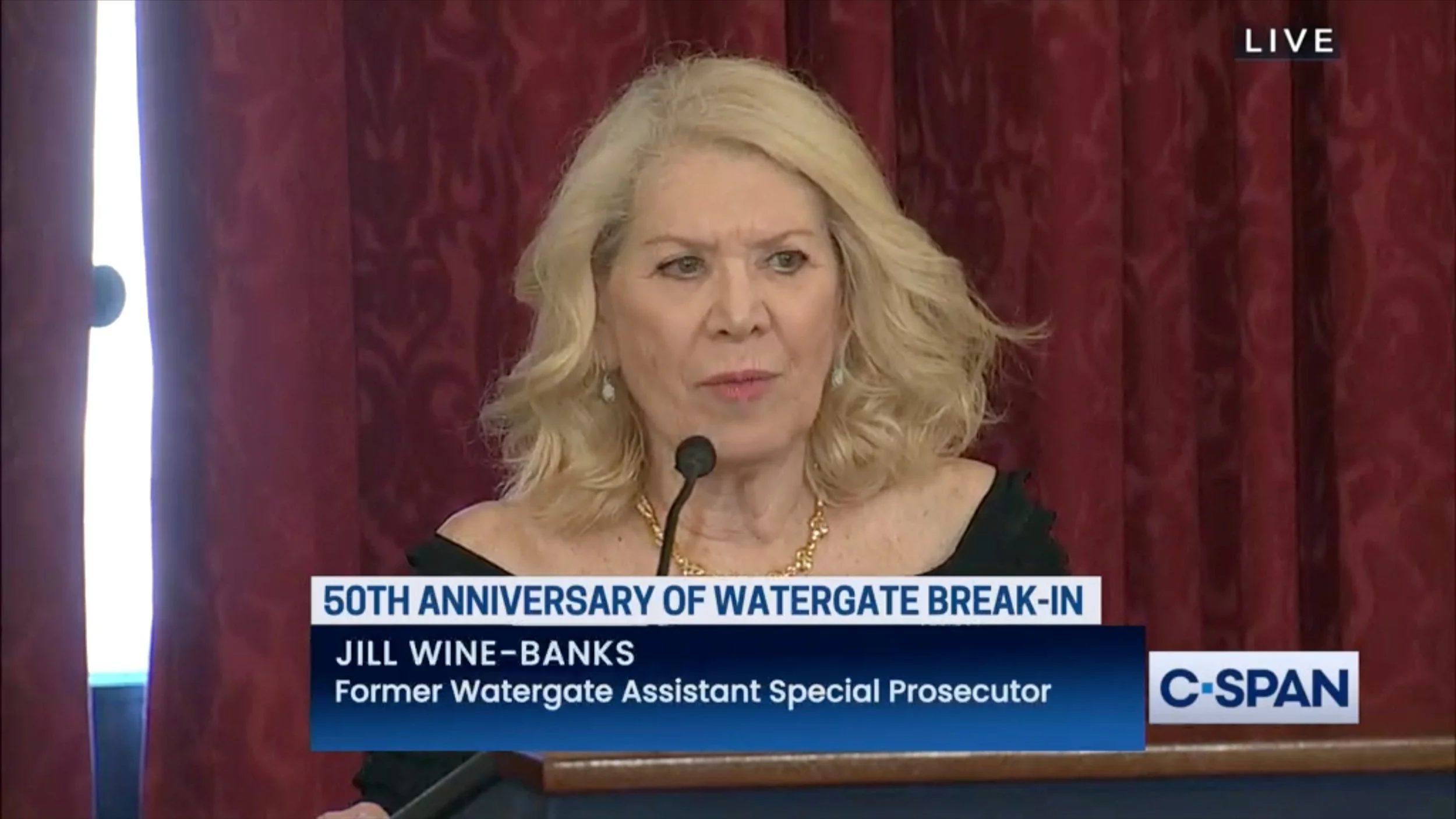
I disagree with Tony Messenger’s column “St. Louis attorney has early advice for new president: Remember Watergate era” (Jan. 22). I was an assistant Watergate special prosecutor for the obstruction trial of President Richard Nixon’s top aides in which he was named a co-conspirator. We were prevented from indicting Nixon when President Gerald Ford pardoned him, so I understand the impact of issuing a pardon and moving on.


Tag Cloud
- 7.30
- ABC
- ABC News
- Alex Witt
- Ali Velshi
- Alicia Menendez
- All In With Chris Hayes
- All In with Chris Hayes
- AM Joy
- American Voices
- Andrea Mitchell Reports
- Ari Melber
- Australia
- Ayman
- Ayman Mohyeldin
- Barb McQuade
- Book Review
- Breaking News
- Brian Williams
- CBC
- CBC News
- Chicago
- Chicago Tribune
- Chris Hayes
- Chris Jansing
- Chris Matthews
- Coronavirus
- COVID-19
- Craig Melvin
- David Gura
- Deadline: White House
- Dean Obeidallah
- Edwin Eisendrath
- Election
- Hallie Jackson
- Hardball with Chris Matthews
- iGen Politics
- Impeachment
- Intergenerational Politics
- Jill Wine-Banks
- Jill's Pins
- Joan Esposito
- Joe Biden
- John Heilemann
- Jonathan Capeheart
- Joshua Johnson
- Joy Reid
- Joyce Vance
- Katie Phang
- Kendis Gibson
- Kimberly Atkins
- Lawrence O'Donnell
- Live Local & Progressive
- Maya Wiley
- Mea Culpa
- Mehdi Hasan
- Michael Cohen
- Michael Steele
- MSNBC
- MSNBC Live
- Mueller
- NBC News
- NBC News Now
- Newsweek
- Nixon
- NPR
- Op Ed
- Peacock
- Podcast
- Politicon
- Politics
- Recipes
- Richard Lui
- SiriusXM
- Sisters In Law
- Stephanie Miller
- Susan Berger
- The 11th Hour With Brian Williams
- The Beat with Ari Melber
- The Big Picture
- The Brian Lehrer Show
- The Last Word
- The Last Word with Lawrence O'Donnell
- The Mehdi Hasan Show
- The ReidOut
- The Stephanie Miller Show
- The Watergate Girl
- Trump
- Up with David Gura
- Velshi
- Velshi & Ruhle
- Victor Shi
- Watergate
- WCPT
- Weekends with Alex Witt
- WNYC
- Yasmin Vossoughian
- Yasmin Vossoughian Reports
- Zerlina
- Zerlina Maxwell
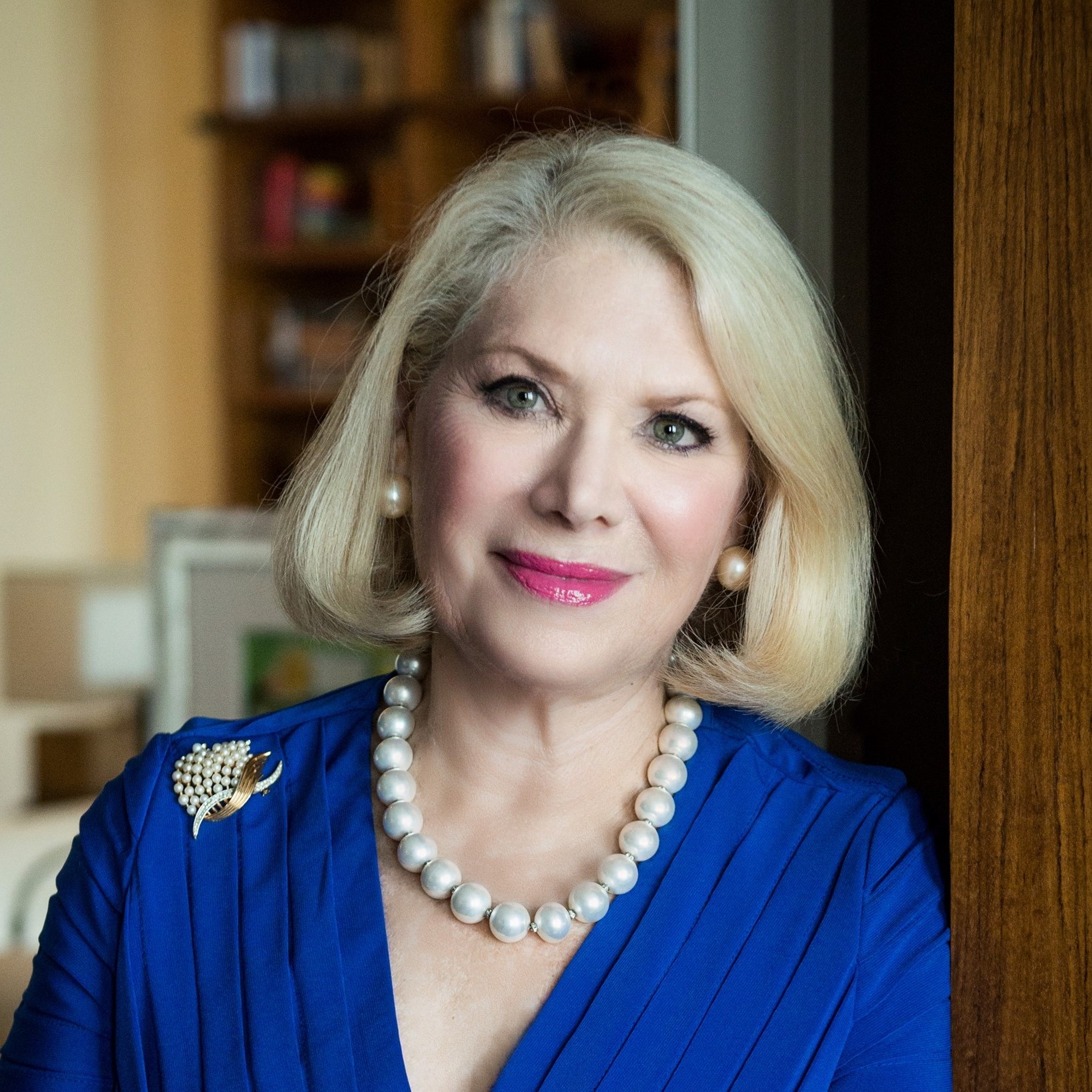
Categories
Featured
As part of the BGA's effort to honor Women's History Month, we convened a panel of women who hold powerful people and institutions to account and exemplify integrity across Chicago's civic landscape.
The panel included Watergate prosecutor and MSNBC analyst Jill Wine-Banks, Chicago's first-ever female Inspector General, Deborah Witzburg, Illinois Answers Project Editor-in-Chief Ruby Bailey and President of the Chicago chapter of the League of Women Voters, Jane Ruby.
The thoughtful discussion moderated by BGA's Senior Policy Analyst, Sophia Van Pelt, captured the thoughts of the intrepid civic leaders on doing the hard work of accountability while also fighting sexism, the glass ceiling and glass cliff that women often face in the workplace and what it means to "be the first."
All Posts
- August 2026 6
- July 2026 10
- June 2026 13
- May 2026 11
- April 2026 23
- March 2026 11
- February 2026 11
- January 2026 11
- December 2025 10
- November 2025 11
- October 2025 10
- September 2025 17
- August 2025 11
- July 2025 16
- June 2025 12
- May 2025 9
- April 2025 11
- March 2025 11
- February 2025 10
- January 2025 19
- December 2024 15
- November 2024 10
- October 2024 11
- September 2024 12
- August 2024 7
- July 2024 10
- June 2024 12
- May 2024 12
- April 2024 13
- March 2024 15
- February 2024 17
- January 2024 14
- December 2023 19
- November 2023 21
- October 2023 17
- September 2023 16
- August 2023 22
- July 2023 20
- June 2023 19
- May 2023 17
- April 2023 19
- March 2023 20
- February 2023 17
- January 2023 16
- December 2022 26
- November 2022 19
- October 2022 16
- September 2022 18
- August 2022 31
- July 2022 36
- June 2022 45
- May 2022 18
- April 2022 25
- March 2022 15
- February 2022 18
- January 2022 19
- December 2021 22
- November 2021 15
- October 2021 19
- September 2021 13
- August 2021 10
- July 2021 10
- June 2021 11
- May 2021 10
- April 2021 15
- March 2021 23
- February 2021 28
- January 2021 18
- December 2020 11
- November 2020 8
- October 2020 9
- September 2020 8
- August 2020 18
- July 2020 18
- June 2020 13
- May 2020 5
- April 2020 6
- March 2020 3
- February 2020 31
- January 2020 17
- December 2019 28
- November 2019 26
- October 2019 19
- September 2019 18
- August 2019 4
- July 2019 18
- June 2019 17
- May 2019 23
- April 2019 26
- March 2019 41
- February 2019 24
- January 2019 28
- December 2018 32
- November 2018 23
- October 2018 14
- September 2018 30
- August 2018 40
- July 2018 27
- June 2018 15
- May 2018 29
- April 2018 31
- March 2018 23
- February 2018 29
- January 2018 23
- December 2017 22
- November 2017 7
- October 2017 13
- September 2017 1
Recent Jill’s Pins
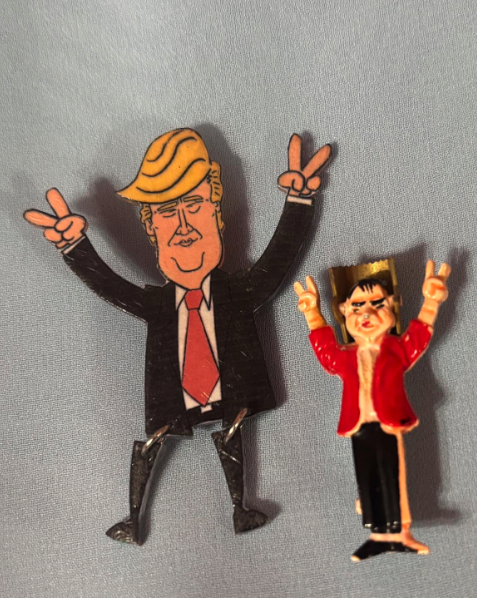
Excited to join #vaughnhillyard on #MSNow @chrislhayes.bsky.social ‘s show wearing #JillsPins asking if Trump is becoming Nixon (and Blanche is becoming John Mitchell who went to jail). Would #Watergate be possible today? Join me please at 7:45 CST. #watergate
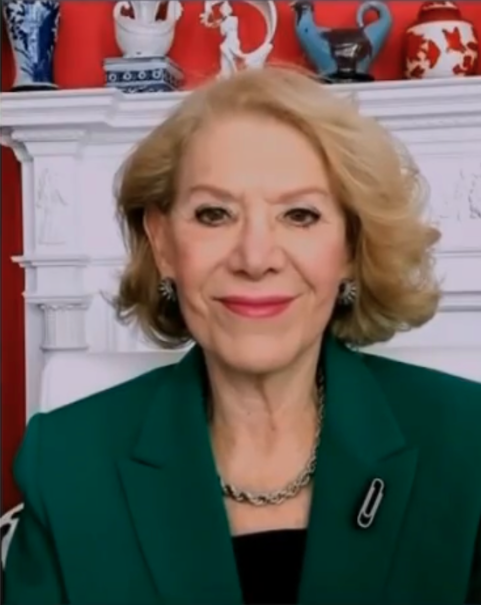
Here's #JillsPin I wore on @AliVelshi this morning to show I'm part of the resistance. Norwegians wore a paperclip to show they were part of the resistance to Hitler.
The Norwegians in World War II wore an actual paperclip to show they were part of the resistance, and I am definitely part of the resistance!
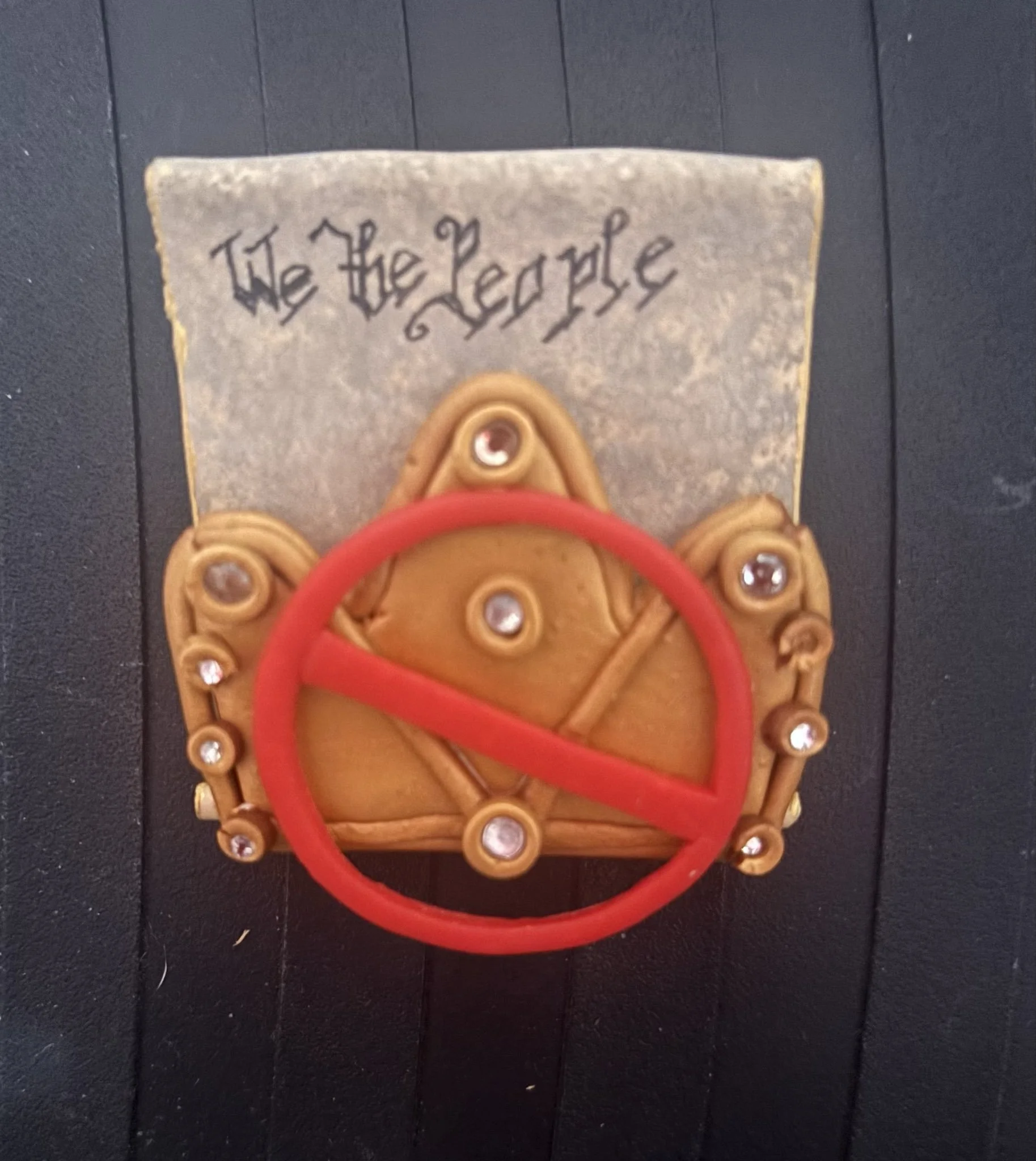
I want to see you in Chicago’s Grant Park #NoKingsProtest. I’ll be there rain or shine wearing a NoKings pin made for me by #BarbKeith and a paper clip, a symbol of Norwegian resistance in WW2. I’m giving away paper clips for you to wear every day until we secure our democracy. Look for me.

Join me on @theweekendmsnbc.bsky.social Sunday at 7:30 am. I’m wearing a paper clip #JillsPin, a WW2 symbol of resistance to the Nazi regime and being “bound together” against the occupation of Norway. Seems relevant now as we resist the slide to authoritarianism and try to protect the rule of law.

Excited to be joining the fabulous @stephaniemiller.bsky.social at 10:30 ct. So much news to cover, including what it’s like in Chicago right now. Join us please on Sirius XM, progressive talk radio and more. See you then. Wearing a #JillsPin showing chaos.
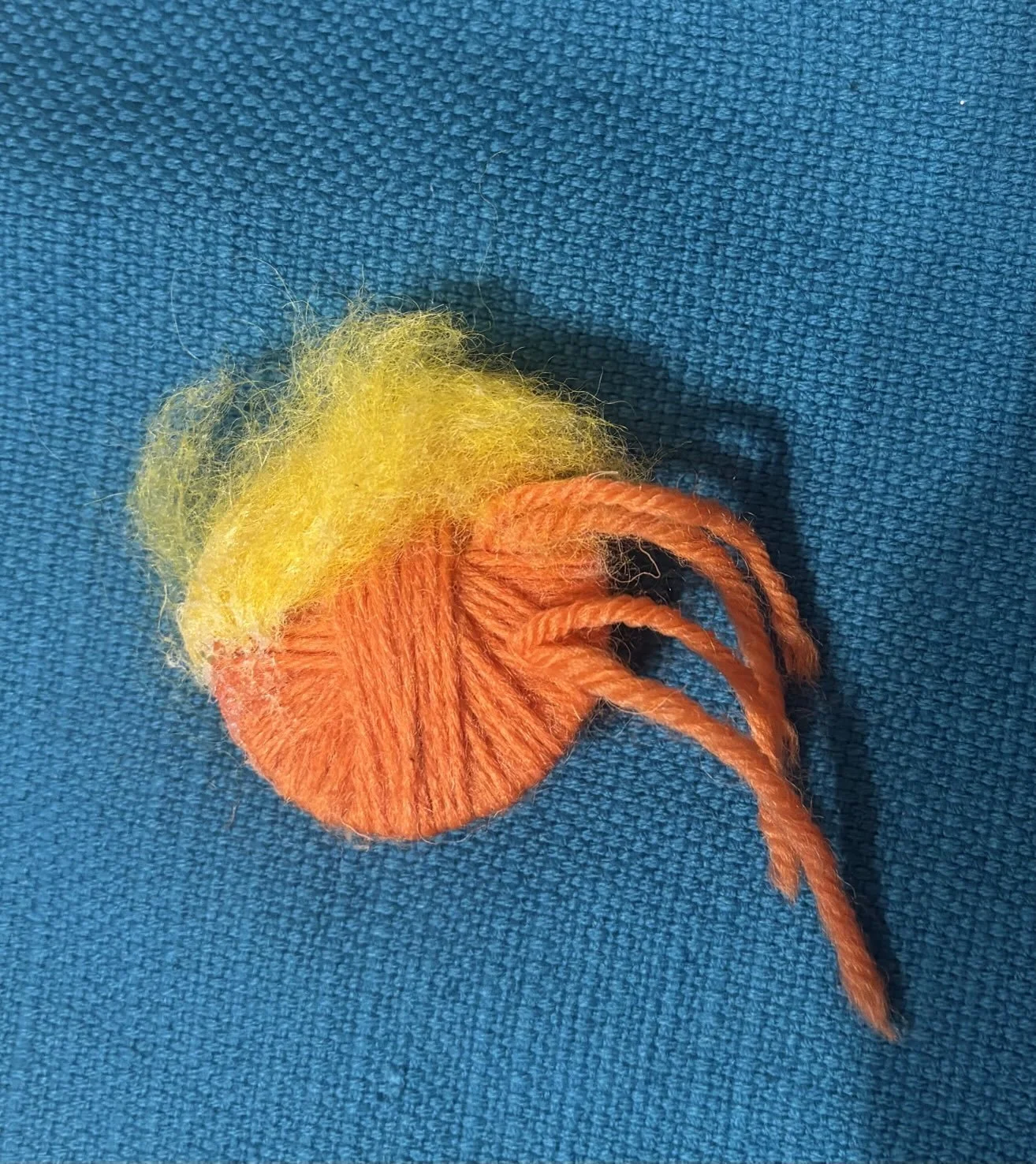
Join me on @velshi.com with @kimberlyeatkins.bsky.social at 10:40et talking Epstein and Trump wearing this #JillsPin showing how it’s making Trump unravel.

Join me on @velshi.com with @barbmcquade.bsky.social at 9:35ct/10:35et/7:35pt talking about Trump’s emergency pleas to SCOTUS and more. Wearing a #SCOTUS #JillsPin
Join me with @ayman.msnbc.com for several segments in the 6ct/7et hour. Still hoping for justice so wearing this #JillsPin
Join me with @AymanM and Ron Insana at 6:30 ct talking chaos and tariffs. #JillsPin reflects what may be the reason Trump is doing what he is doing — and it’s not to help us.

To all Democrats (and if there are any decent Republicans): Please wear a pin or a blue and yellow ribbon at SOTU to show Trump you support Ukraine, not him. Ukraine is protecting their sovereignty and democracy as well as ours and Europe’s.
Join me with @joyannreid.bsky.social on @msnbc.com at 6:15 ct/7:15 et talking about the rule of law that is the foundation of our democracy. Wearing this #JillsPin in support of justice and law.

Excited to be joining @ayman.msnbc.com soon talking about Trump’s sentence and Smith’s Report. #JillsPin asks if justice is being done? @charlescoleman.bsky.social too.

Was just on @joy.msnbc.com talking about how Pres Biden and the Archivist could cement their legacy by publishing the #ERA. It should be our 28thA -- it has met all the requirements of the Constitution with ratification by 38 states. We need ERA to protect against loss of women's rights under Trump.

My perfect New Year’s Eve. A hilarious performance by @kathygriffin.bsky.social and midnight Chicago pizza and fireworks from her suite with her dogs, family, Michael, @victorshi.bsky.social and assorted friends, including a competitor in National Ice Skating and a TikTok creator, Meredith.
All In With Chris Hayes 8/17/2026